
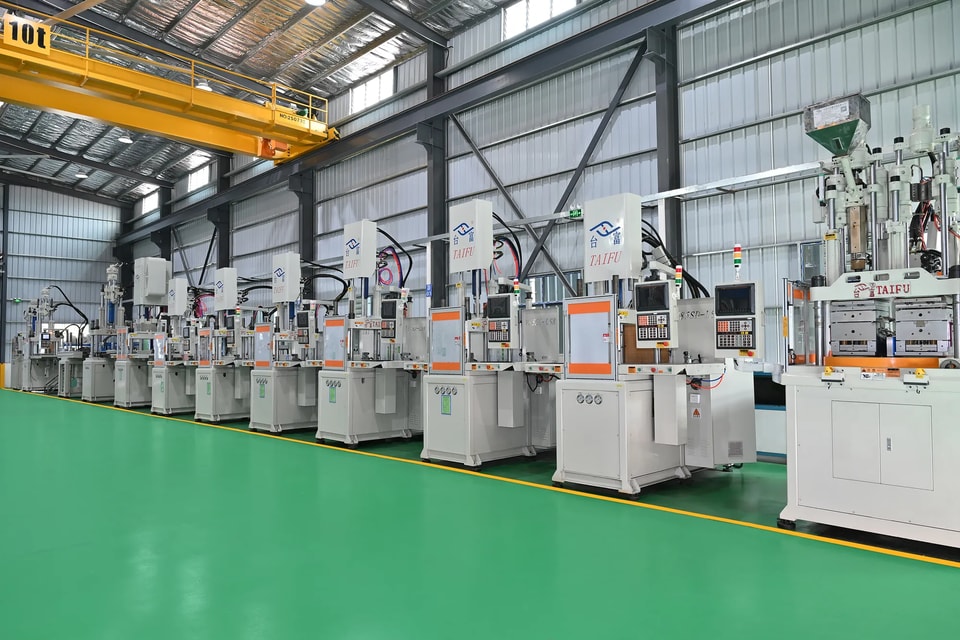
News & FAQ
News
Company news, technical insights and case studies from TAIFU.
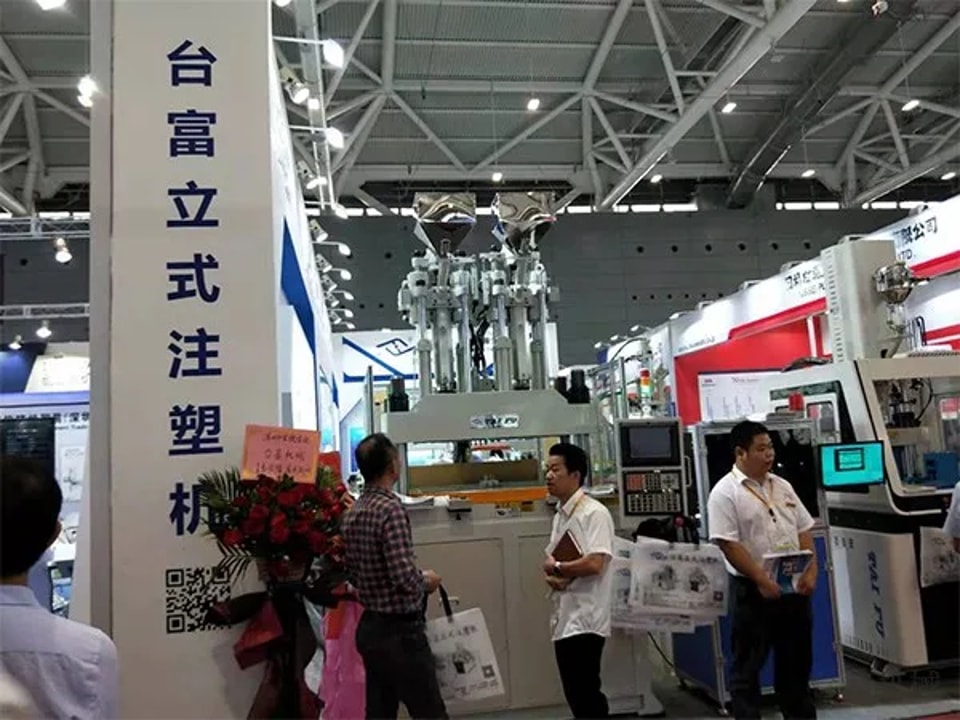
Taifu exhibited at the 34th China International Plastics & Rubber Industry Exhibition, held at the Shenzhen World Exhibition & Convention Center, at booth 9E49. Machines on show Liquid silicone (LSR) injection molding machine Two-color vertical injection molding machine High-speed vertical machine Low-worktable injection molding machine The machines on display use German and Italian electrical components. Alongside these, Taifu's main range covers single sliding table, rotary table, double sliding table, bakelite/BMC, C-frame and two-color machines, and the team designs complete molding solutions with peripheral equipment to customer requirements.
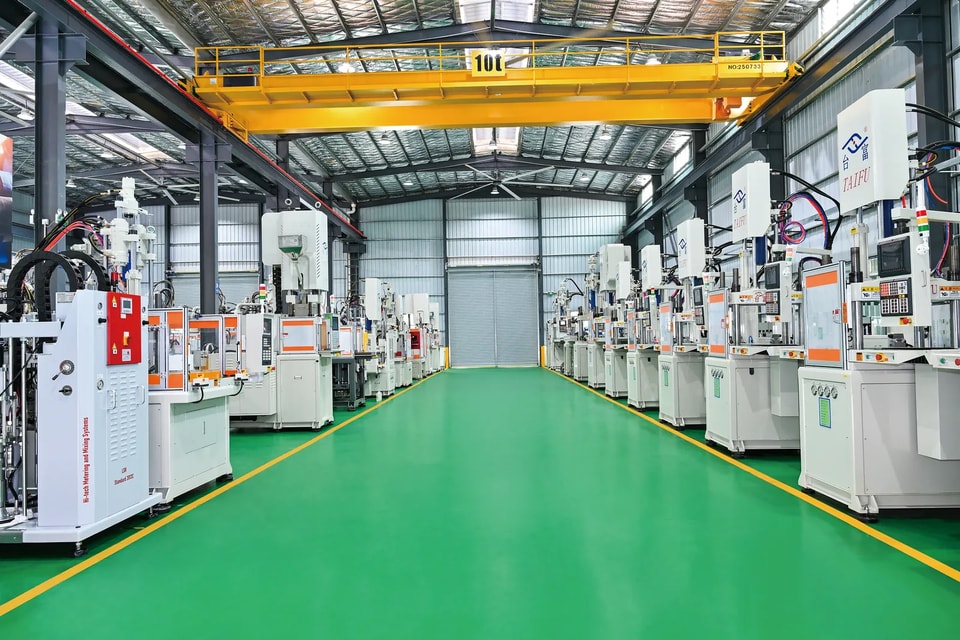
Black specks and discoloration are common defects in injection molding. The causes fall into four groups. Machine Faulty heating control overheats the barrel and degrades the material. Defects in the screw or barrel trap material, which degrades under prolonged heating. Check the screw tip assembly for wear or metal debris. Some materials, such as ABS, cross-link and char under high heat while keeping their pellet shape; the screw crushes them and carries them into the part. Mold Poor venting causes burning; undersized runners and gates create excessive shear and charring. Unsuitable oil-based lubricants or release agents in the mold. Material Excess volatiles or moisture, impurities, too much regrind, or contamination. Process Excessive pressure, injection speed, back pressure or screw speed can all degrade the material. Clean the barrel regularly and remove additives that are less heat-stable than the base resin.
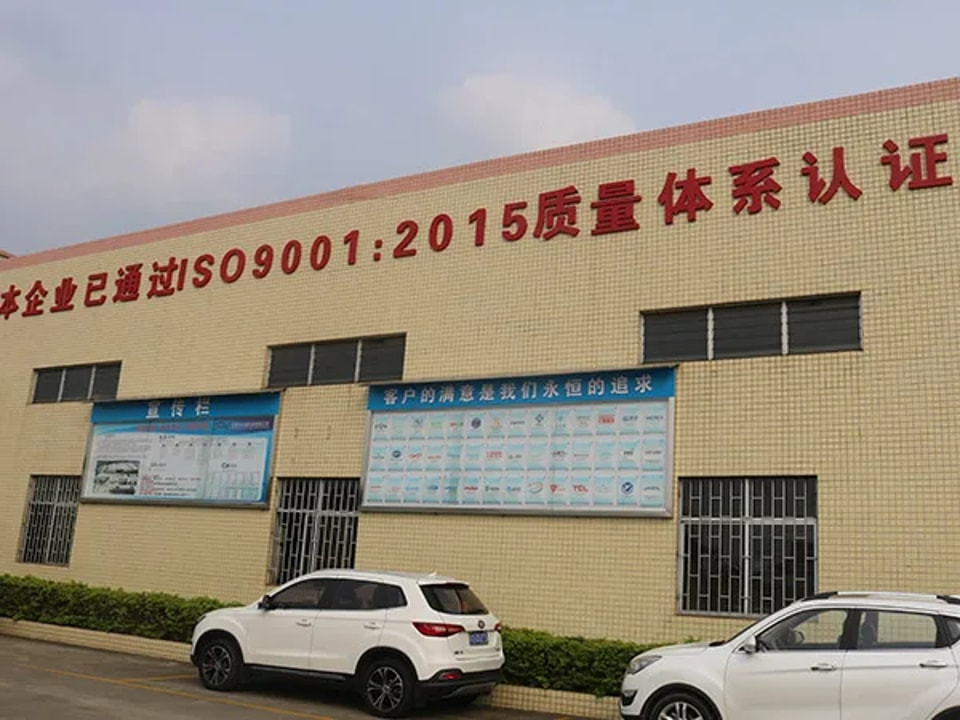
Taifu designs, manufactures and sells vertical injection molding machines. Taifu machines serve customers at home and abroad and have been exported to Korea, Thailand, India, Vietnam and Malaysia.
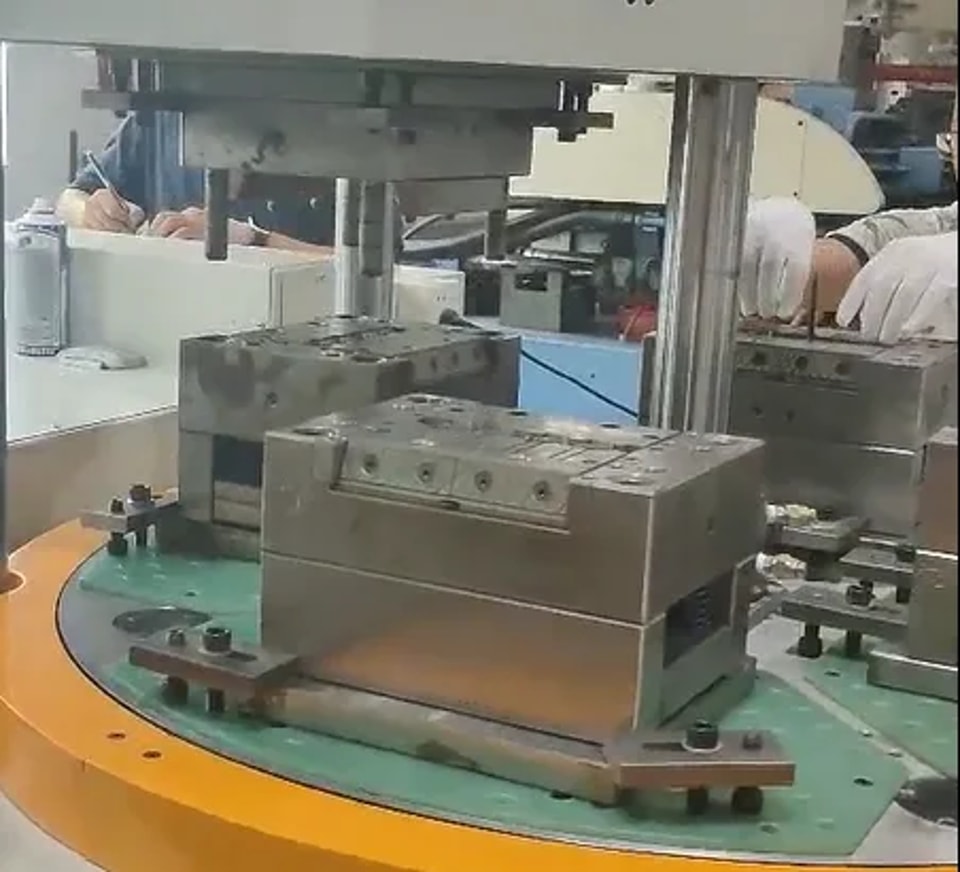
Molds are delicate and expensive to repair, so protecting them is essential. Six areas to watch: Burrs. Prevent damage from wiping cloths, material impact, hands, sprue cutters and knives. Rust. Prevent water leaks, condensation, rain and fingerprints from causing corrosion. Missing parts. Make sure tie rods, washers and other components are in place before running. Closing on a part. Never clamp with a part or remnant still in the mold. Collisions. Watch for broken ejector pins or pins that have not fully retracted. Low-pressure protection. Avoid damage caused by setting mold protection pressure too high. Broken or unretracted ejector pins, parts left in the mold and missing components account for most mold damage and happen frequently. Since mold repairs are costly, preventing these situations directly protects your production margins.
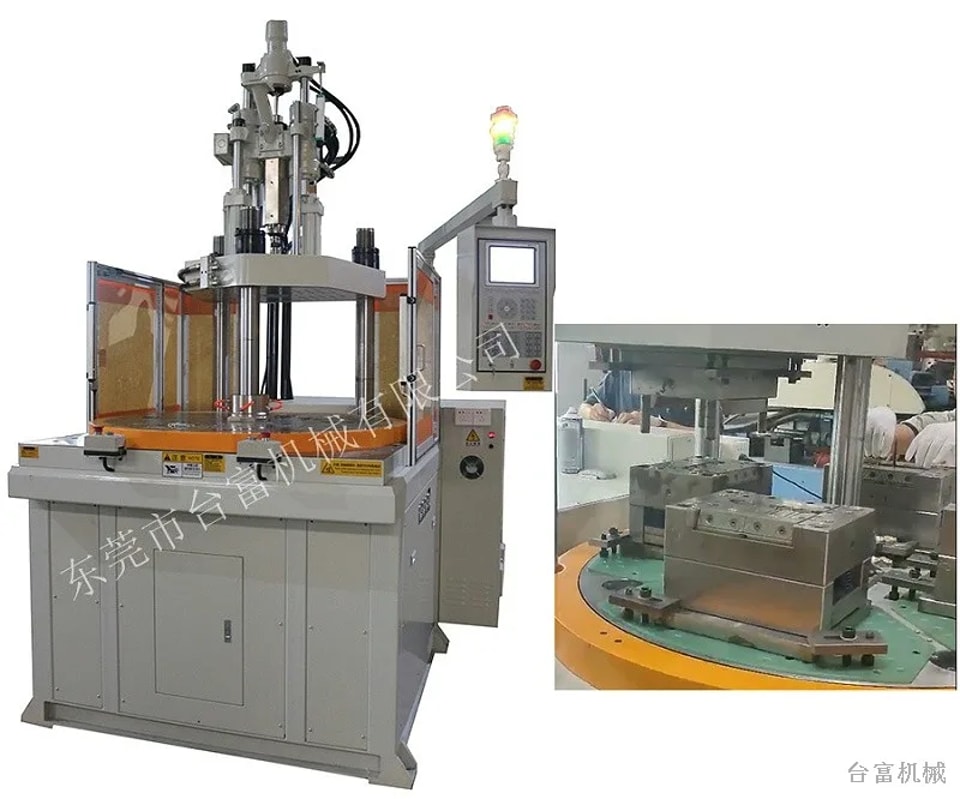
Vertical rotary table machines are available with two stations or with three up to eight stations — one upper mold working with two to eight lower molds. While the clamp molds one station, the operator loads inserts at another, and a robot can be added for part removal, raising efficiency considerably. Each lower mold can even produce a different part. A double sliding table machine can achieve a similar effect, but usually needs two operators; with one person it is hard work. A rotary machine can be run by a single operator, which saves labor cost. Five questions to ask Does loading inserts take a long time? Will several operators work on one machine? Does the part have cables attached, and can they be handled on a rotary table? What is the overall cycle time of the part? What output does production require?
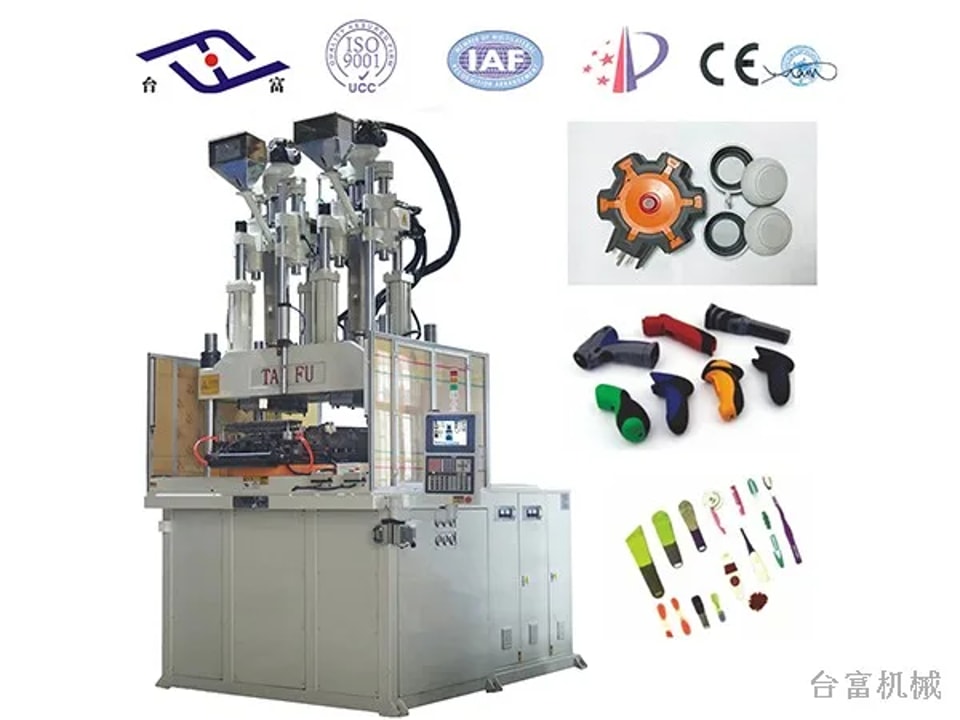
Two-color molding is done on a two-color machine. The first material is molded, then the mold rotates the part to the cavity served by the second barrel, where it acts as an insert and the second material is molded over it to form one integrated part. The machine has two barrels and two cavities; both shots run at the same time, with the part from one cavity becoming the insert for the next. Two-step (insert) molding molds the first-material part on one machine, then places it as an insert into another mold where the second material is injected. In short: with two-color molding, raw material goes into the machine and the finished two-material part comes out. With insert molding, the part to be combined is placed into the mold first and then overmolded.
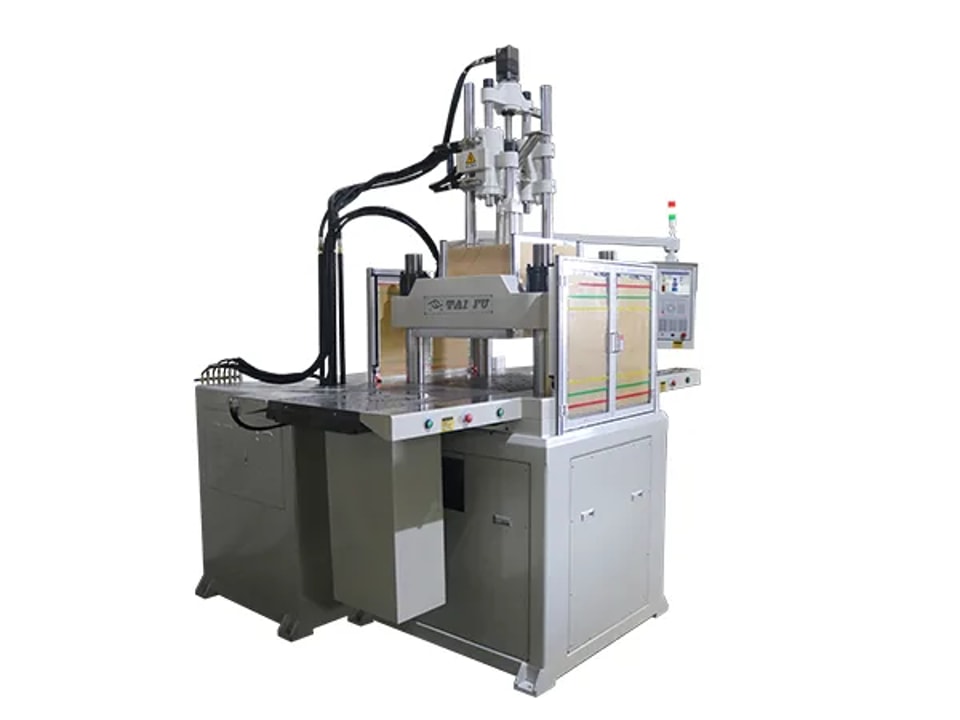
Vertical sliding table machines come in two types: single sliding table and double sliding table. Both are developed from the fixed-table vertical machine. Safer part handling On a fixed-table machine, the operator removes parts from under the upper platen. On a sliding table machine, the lower mold slides out from under the upper platen after molding, so parts are removed in a safe position away from the clamp. Higher efficiency with a double sliding table On a double sliding table machine, two lower molds work alternately under one upper mold, which keeps working continuously. A fixed-table machine has to pause while each part is removed, so the double sliding table offers a clear efficiency advantage.
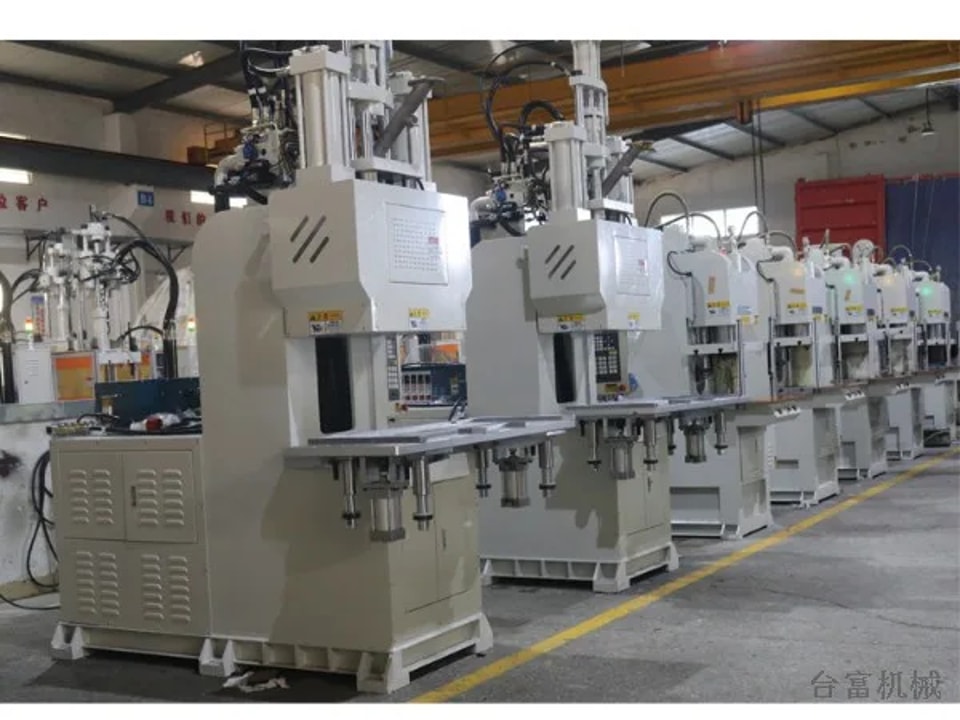
A vertical machine's hydraulic drive transmits power and signals through pressurized oil, so the condition of the oil and seals directly affects system stability and, indirectly, part quality. About half of hydraulic failures are caused by incorrect use or maintenance of the oil, so good maintenance habits are the most effective way to prevent them. Key properties The most important properties of hydraulic oil are viscosity and cleanliness, along with resistance to oxidation, wear, foaming and corrosion, and good lubricity. Viscosity is expressed as the average kinematic viscosity at 40 °C. Commonly used ISO VG 46 anti-wear hydraulic oil has an average kinematic viscosity of 46 cSt at 40 °C. Viscosity falls as temperature rises and increases as pressure rises. Test regularly Contaminated or degraded oil shortens pump life and can cause failures, so test the oil periodically and use the results to decide when to change it. Three quick checks: Appearance test. Put samples of new and used oil into separate test tubes and compare color, clarity, floating particles and any water at the bottom. Blotter test. Drop used oil onto filter paper and examine it after one hour. Dirty or degraded oil shows contaminants clearly. Finger test. Rub used oil between your fingers. If viscosity has dropped, it feels rough rather than slick, and drips off freely without a sticky, elastic feel.
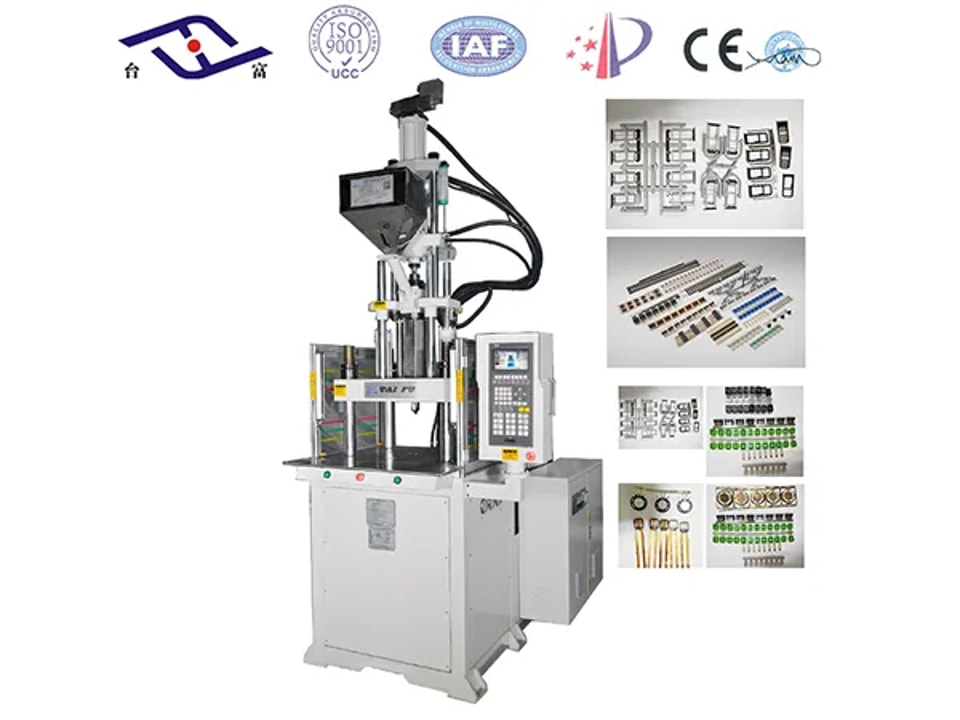
Machine requirements for LCP Screw made from highly wear-resistant material Screw tip with an anti-backflow (check) structure Precise temperature control system Specially designed nozzle Responsive feeding and injection systems Barrel capacity matched to part weight — neither too large nor too small Mold guidelines Mold design is critical. Use a standard open (cold) gate rather than a hot nozzle; hot nozzles tend to overheat LCP and cause blistering. Mold temperature is typically around 140 °C. Keep the upper (fixed) half hotter than the lower (moving) half: the hotter fixed half keeps the melt flowing and avoids cold slugs, while the cooler moving half helps the part crystallize. Keep the difference within 15 °C. Choose a lower mold temperature to shorten the cycle and prevent flash; choose a higher one when dimensional stability is critical or to reduce weld lines and short shots. Pressure and speed The right pressure depends on the material, part geometry, mold design (especially sprue, runners and gates) and other conditions. All LCP grades have very low melt viscosity, so pressures are lower than for typical thermoplastics. Start with low pressure and increase gradually; most parts mold at 15–45 MPa. LCP solidifies quickly, so high injection speed generally gives good results. Cycle time Thanks to LCP's good flow and fast solidification, fill times and cycles are short — typically 10–30 seconds, depending on part size, shape, wall thickness, mold and conditions.
Request a machine proposal
Enquiry about

© 2026 Dongguan Taifu Machinery Co., Ltd.