
News & FAQ
News
Company news, technical insights and case studies from TAIFU.
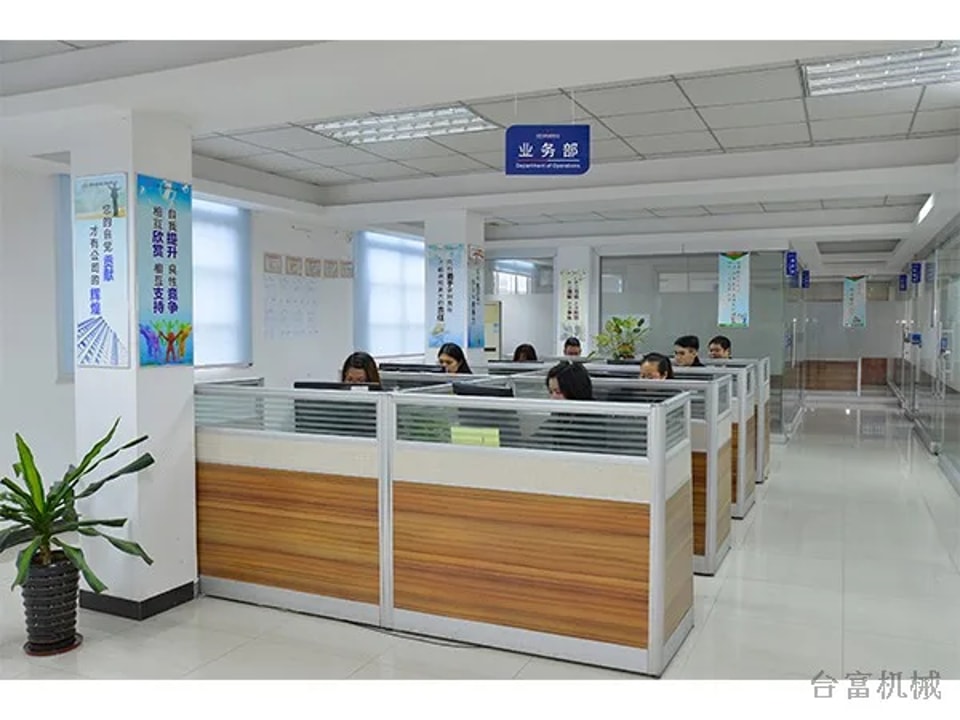
As the year came to a close, Taifu held its annual year-end meeting. Employees gathered to look back on a year of hard work together, hear each department's review of its results and look ahead to the factory's development plans. Management summed up the shared achievements of the team, and the meeting closed with a training session given by Mr. Xiao, encouraging everyone to stay patient, avoid complacency and keep moving steadily toward the company's goals.
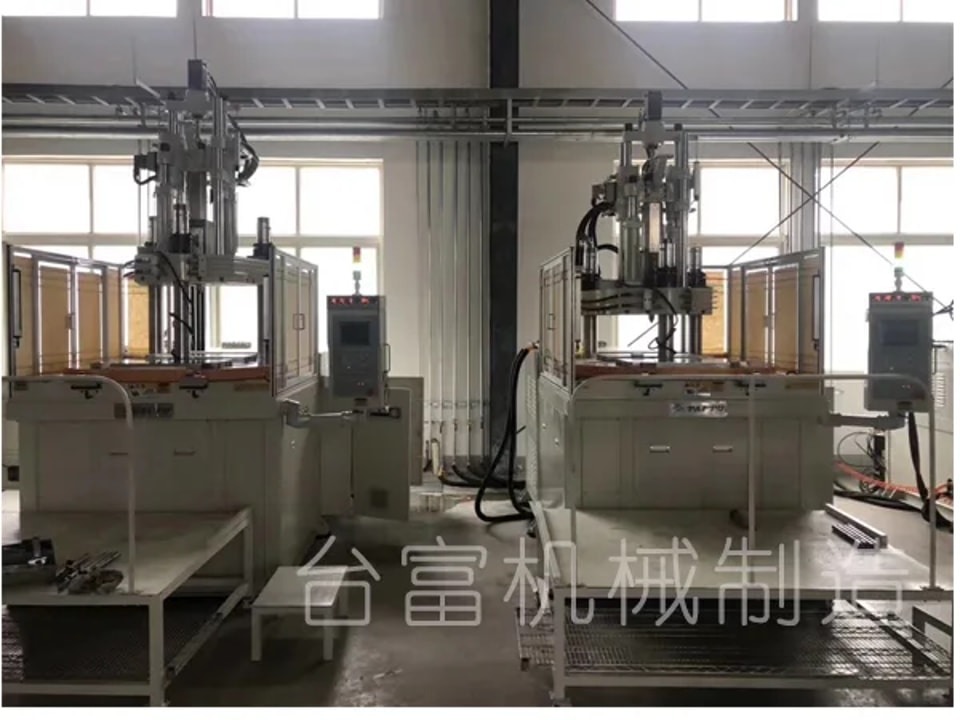
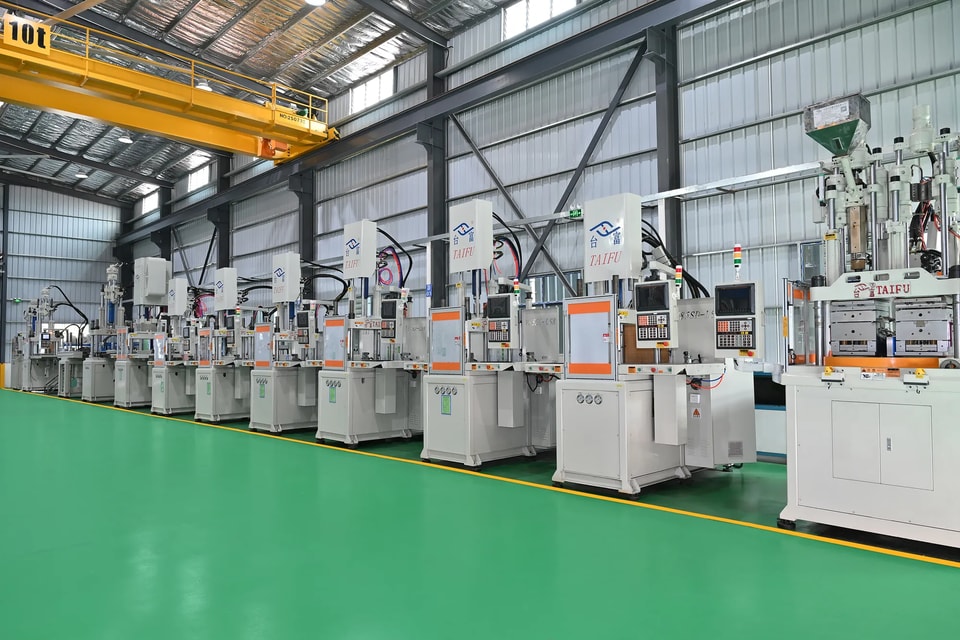
Vertical injection molding machines come in several types: fixed-table, single sliding table, double sliding table, rotary table, C-frame, two-color, thermoset BMC and vertical silicone machines. For newcomers to insert molding, here is how typical products map to machine types. Fixed-table vertical machine: connectors, USB cables, light strings, data cable overmolding, power cord plugs, network and TV power plugs. Single sliding table: inserts without cables, such as keys, buckle overmolding, plastic hangers and overmolded spoons. Double sliding table: cable-free parts for computers and telecoms, bag buckles and cosmetic bottle connectors. Rotary table: LED lamp caps, small toys and automotive electronic parts. C-frame: waterproof switches, charging cables and electrical wires. Two-color machine: toothbrush handles, baby products and two-color sporting goods. Thermoset BMC machine: cookware handles and high-voltage electrical handles. Vertical silicone machine: baby bottle nipples, teethers, silicone tubing, gloves, seals, pot holders, coasters, diving masks and other silicone, medical and baby products.
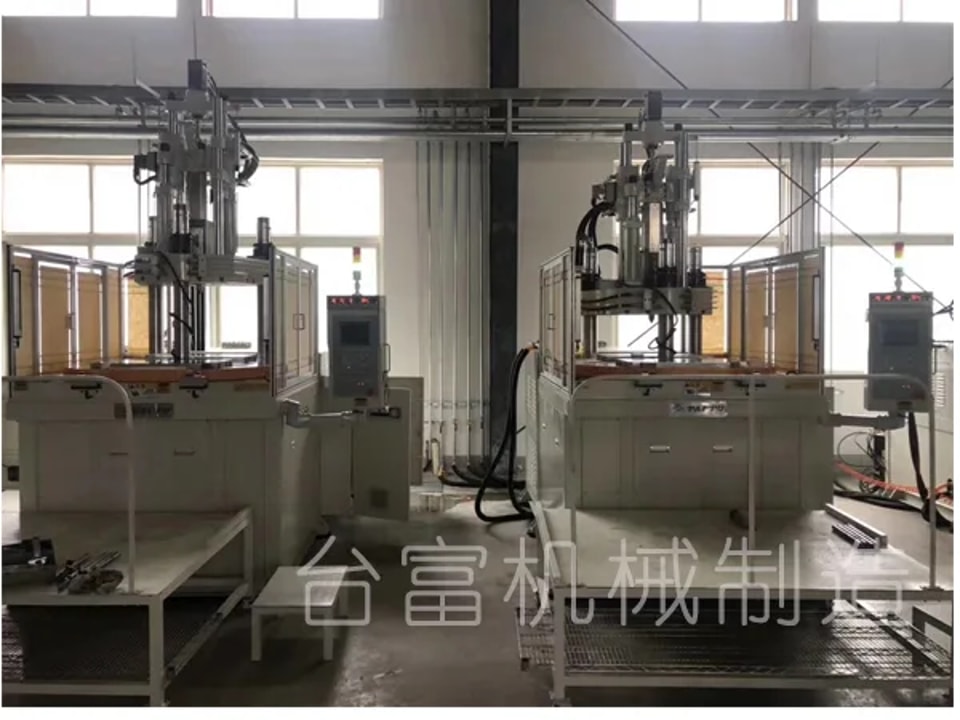
Overmolding on a vertical machine gives products a soft-touch surface and adds both function and value. Over the past decade it has changed aesthetic standards, design thinking and functional requirements for consumer goods, and medical device makers are increasingly using it as well. Beyond soft-touch surfaces, overmolding supports ergonomic design, two-color appearance, brand marking and improved properties. It can add functions such as noise reduction, vibration damping, waterproofing and impact protection. Like co-injection, two-shot and sandwich molding, overmolding is a multi-material molding technology: two or more materials with different properties are combined to increase product value.
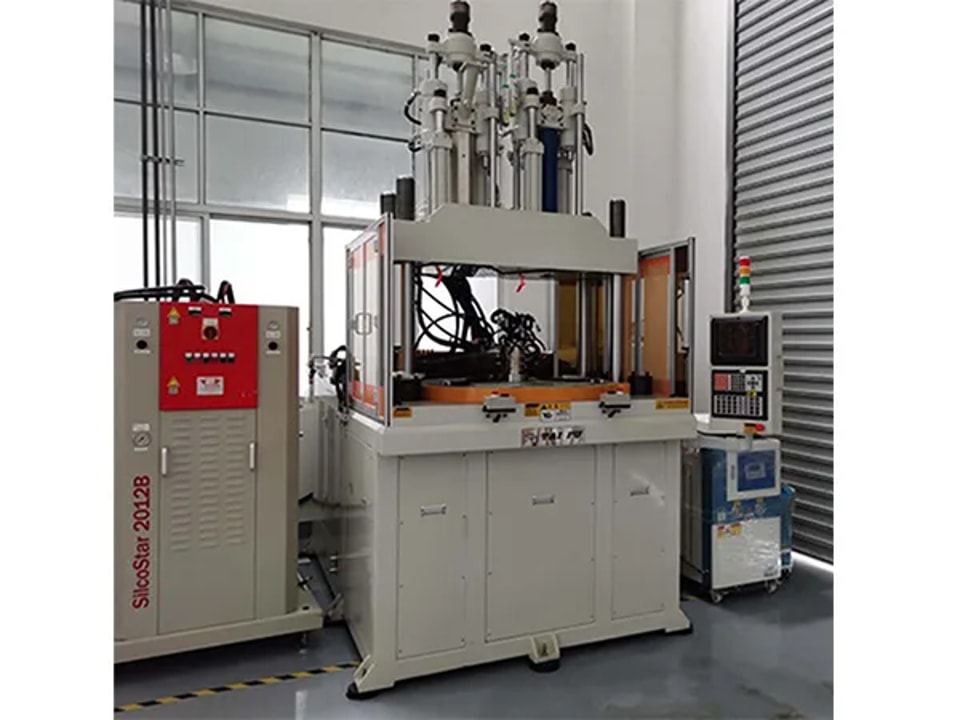
Two-color vertical machines mold two different plastics into one part on the same machine — most commonly a hard substrate overmolded with a soft material using a rotating table. Material guidelines The two materials must have a clear difference in melting temperature: 60 °C is recommended, and at least 30 °C. The first shot should be the material with the higher melting point — typically PC or PC/ABS. The second shot is typically TPU or TPE. Typical thicknesses: PC substrate 0.6–0.7 mm, soft layer 0.4 mm or more. Improving adhesion Make the contact area as large as possible and add grooves to increase bonding. Alternatively, use a core-pull on the first shot so that part of the second-shot material flows into the first-shot part. Keep the mold surface for the first shot as rough as possible.
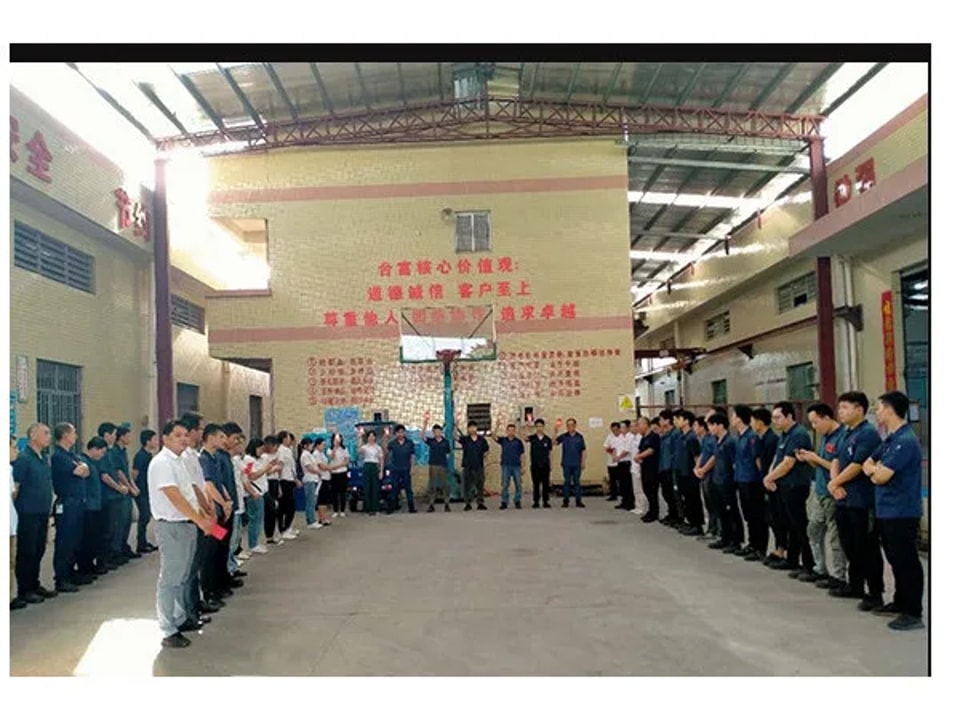
Shop-floor work in machine building can be tiring and repetitive, which often leads to high staff turnover. Taifu addresses this with a fair pay and bonus system combined with a structured multi-skilled worker program that gives employees a path to grow. Who is selected In good health and of good character Conscientious, with good learning ability Stable in their position for around three months Training content Job rotation: repeated training on basic tasks and rotation between stations until the trainee knows every step of the process. Management training: acting supervisory roles to learn how to lead a team and assign work. Production training: a full understanding of people, machines, materials, methods and environment. Recognition: multi-skilled worker certificates, outstanding-employee awards and monthly bonuses. Employees who complete the program receive a corresponding pay adjustment. This motivates the whole workshop and supports consistent build quality — because quality is built in, not inspected in.
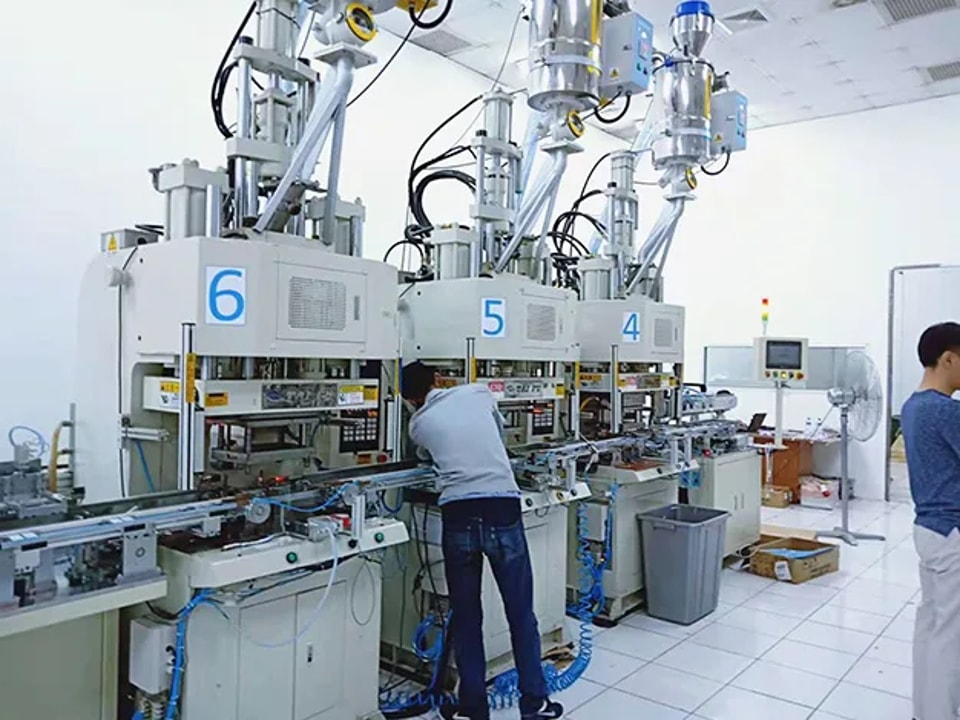
Vertical injection molding is now used for everything from baby and household products and consumer electronics to irregular components, automotive parts and power cables. One of the most common issues our after-sales engineers are asked about is excessive flash. Insufficient clamping force: check clamping force against the mold structure and size and make sure it is sufficient. Shot volume too large: reduce shot volume. Injection pressure too high: lower injection pressure. Mold temperature too low: raise mold temperature. Insufficient mold machining accuracy: inspect and analyze the mold. Material viscosity too low or curing too slow: increase material viscosity or speed up curing. Work through these causes one by one to find the root cause. Short shots are the opposite problem and are analyzed in the opposite direction. In one case, working together with the customer's process engineers, our after-sales team brought the yield on a vertical machine to 98.6%.
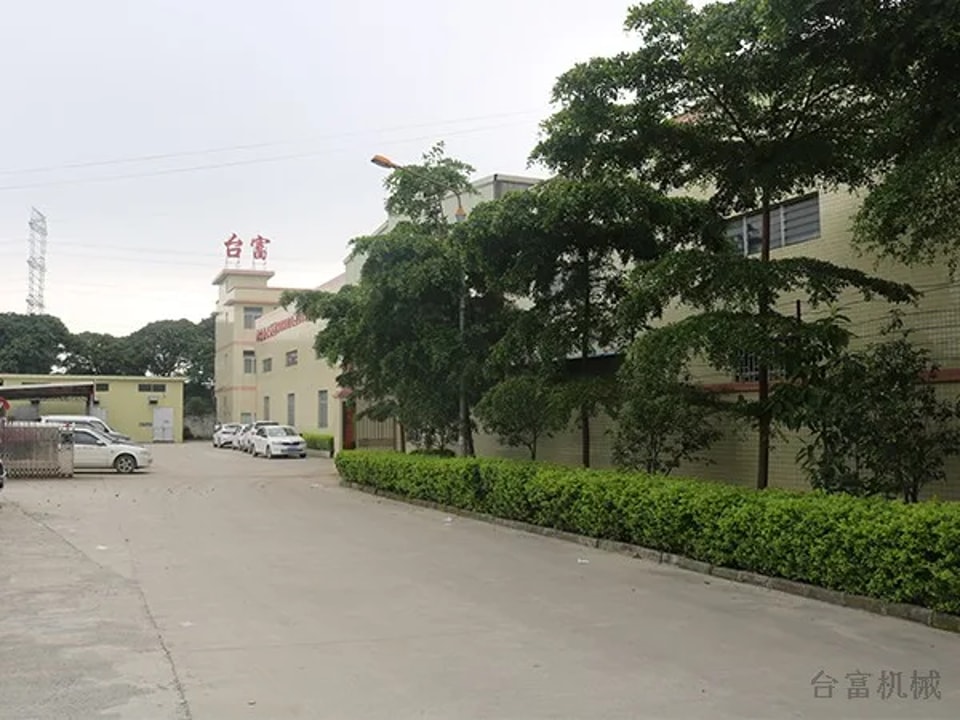
Vertical injection molding machines vary widely in size, specification and quality. Select a machine based on the size and quality requirements of your parts, and on both current and long-term needs. Start by defining the part's function, material, volume, shot weight and annual output. A plant molding silicone, for instance, should approach selection differently from one molding engineering plastics. Then check the following specifications. Shot volume Shot volume is normally rated for PS (polystyrene). If your material is not PS, convert the rated figure using the density of your material before comparing it with your part weight. Clamping force Clamping force is the final locking force the platens exert on the mold while melt is injected into the cavity. Without enough clamping force the part will flash, so make sure the force your part requires is below the machine's rating. Required clamping force is usually calculated as average cavity pressure multiplied by the projected area of the cavity. Average cavity pressure is generally 20–40 MPa, depending on the material, part requirements and flow-length ratio. During mold design, computer simulation can give an accurate clamping force.
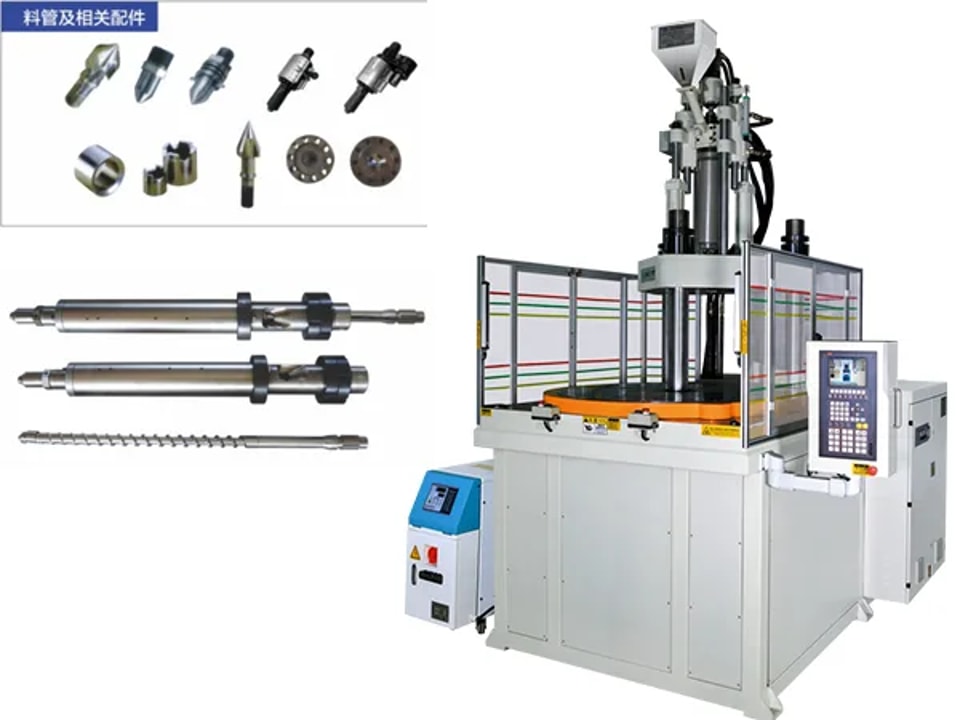
One common reason for unstable production on a vertical machine is screw slippage. The screw tip assembly The screw tip assembly has three parts: the screw tip, the check ring and the check ring seat. Together they seal, mix and plasticize the material. Many part quality problems are closely linked to these components, and small issues here can sharply raise scrap rates or even force a shutdown for repair. What slippage looks like During recovery, the screw rotates and retracts to convey material for the next shot. Slippage occurs when the screw keeps rotating but stops moving axially. Material may build up at the feed throat instead of being conveyed forward. Slippage tends to degrade the material before injection, reduces part quality (for example short shots) and lengthens the cycle. Quick checks Purge with a small amount of material from the rear of the barrel and check melt temperature. With short residence time, melt temperature will be lower than the barrel setting. Inspect molded parts: marbling, black specks or faint streaks show the material is not being properly mixed in the barrel. Fixes Gradually raise the feed-zone temperature until screw rotation and retraction are synchronized. Sometimes the barrel must be set above the recommended temperature to reach this point. Check back pressure. If it is set too high, the screw cannot generate enough forward melt pressure to overcome it and will rotate in place without retracting — adding work and heat to the melt and hurting part quality and cycle time. Back pressure is adjusted with the control valve on the injection unit.
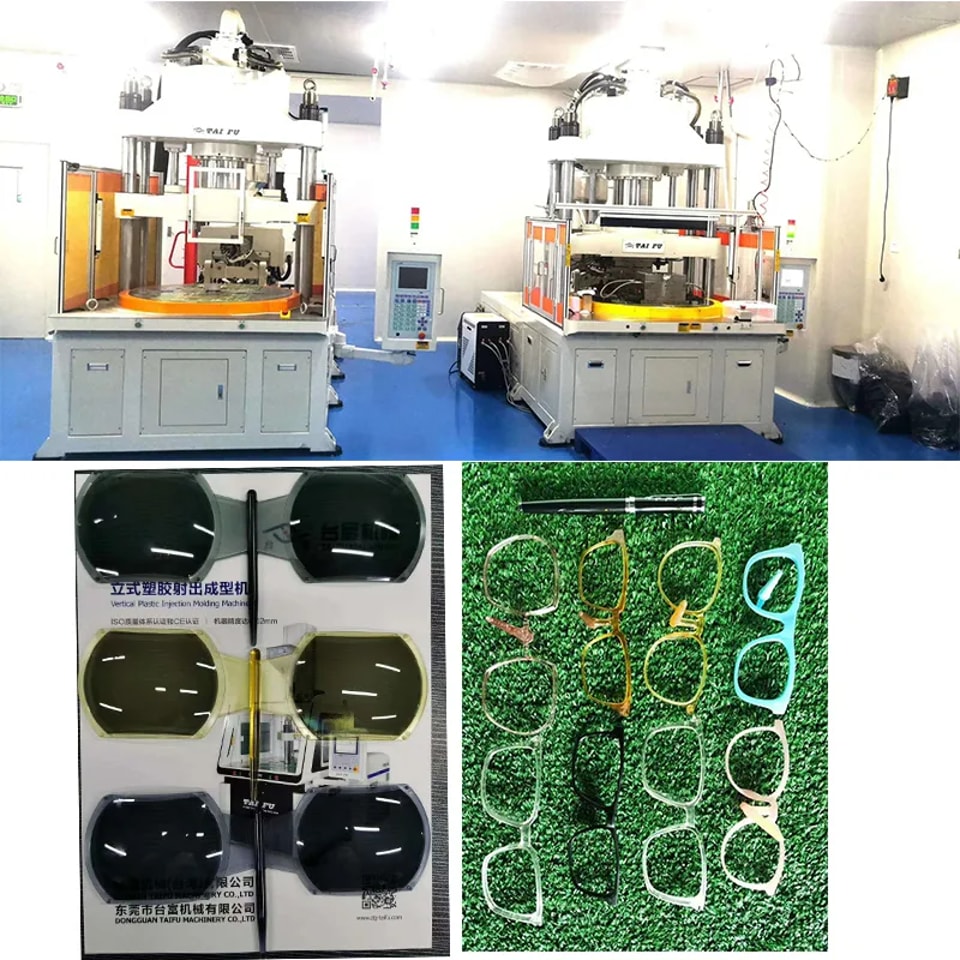
Taifu recently built a vertical-clamp, horizontal-injection rotary table machine, custom-made for an eyewear components manufacturer in China's coastal region to mold optical lenses. Internally we call it our "eyewear injection molding machine". Low worktable configuration Controller imported from Japan Bimetallic screw on the injection unit Optional servo system for energy saving Eyewear parts are typically molded from PE, TR90, PC and propionate materials. The lenses are produced in a clean-room environment.
Request a machine proposal
Enquiry about

© 2026 Dongguan Taifu Machinery Co., Ltd.