
News & FAQ
News
Company news, technical insights and case studies from TAIFU.
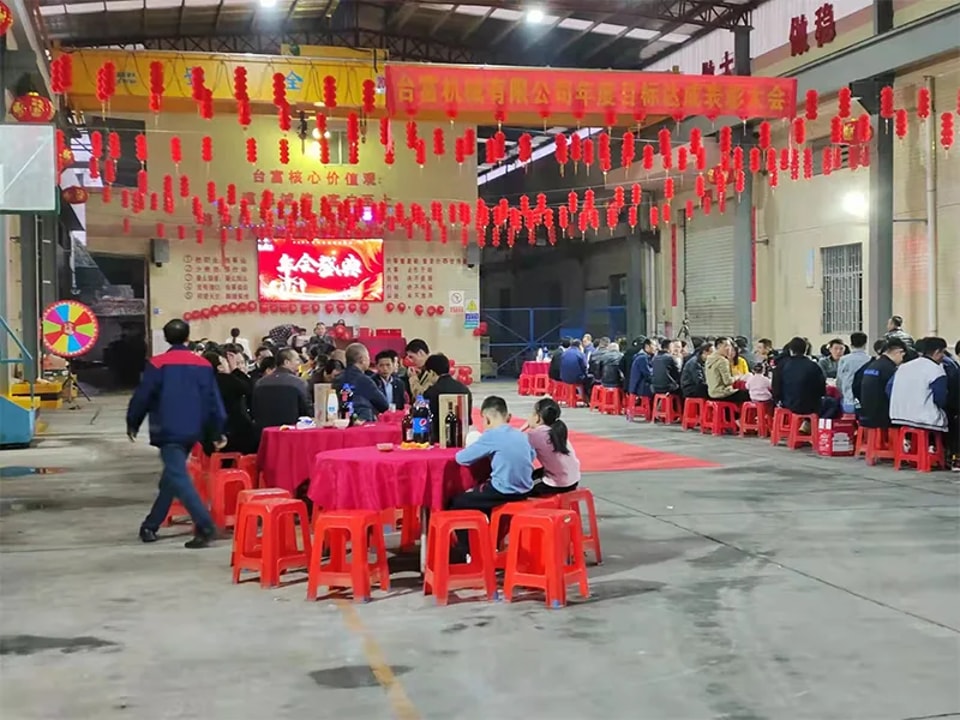
Taifu held its 2021 annual meeting at the factory on 15 January 2022. Colleagues from the company's offices in Jiangsu, Fujian, Tianjin, Zhongshan and Zhejiang joined the factory team, partners and management for the event. Management thanked all employees for their work over the past year and set out their hopes for the year ahead. Outstanding employees received awards, departments put on performances, and a lucky draw ran through the evening.
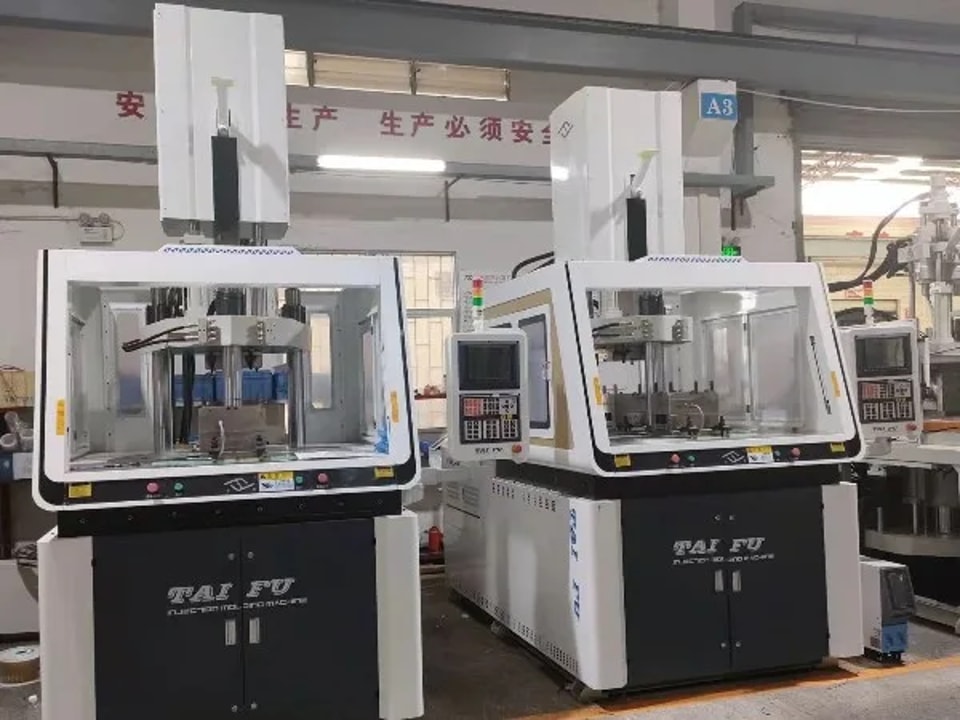
Challenge Growing demand for automotive parts called for a dedicated rotary machine to produce automotive horns. Machine Taifu custom vertical rotary table injection molding machine (in-house design). Solution Taifu-designed direct-lock clamping with the clamp cylinder mounted above the upper platen; a rotary table fixing plate built from two stacked plates, saving material while meeting strength requirements; an extra-large 1,800 mm rotary table with 900 × 500 mm mold space; and a semi-closed-loop power system that monitors and controls output pressure and flow in real time. Result The machine saves more than 50% of the power used by a conventional injection molding machine, while delivering precise, efficient production.
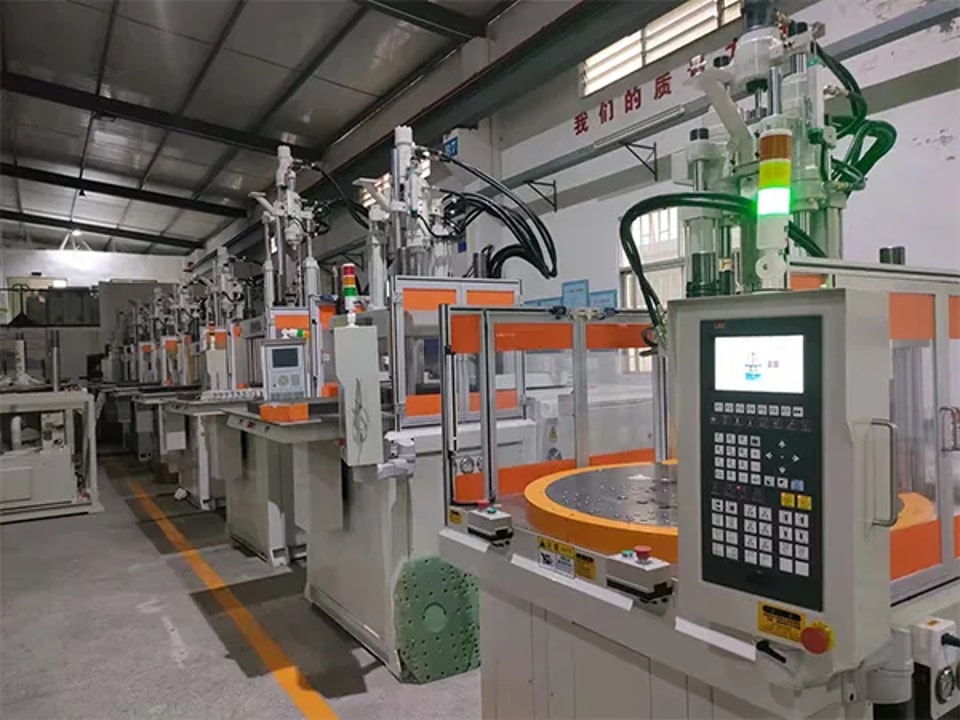
If the ejector does not move, work through these checks in order: Confirm the hydraulics. Start the motor and pump and, in manual mode, move the injection unit forward and back or run injection and recovery. If these work, the pump, proportional pressure valve, proportional flow valve and their circuits are fine. Check settings and signals. Verify ejector pressure, speed, position and count. Press the ejector button and check whether the directional valve solenoid receives a signal — usually 24 V DC (a few older machines use 220 V AC). If there is no signal, look for a disconnected signal wire, check whether the I/O board output port has voltage, and then check the output power transistor or intermediate relay. Check the solenoid coil. Measure coil resistance; a coil can break internally or burn out and must then be replaced. Check the valve spool. Debris — often from aged seals or worn metal parts in the oil circuit — can jam the spool. Disassemble and clean the valve. Check the ejector cylinder. Damaged seals causing internal leakage, or a broken piston rod, will also stop the ejector. Check the limit switch next to the ejector cylinder.
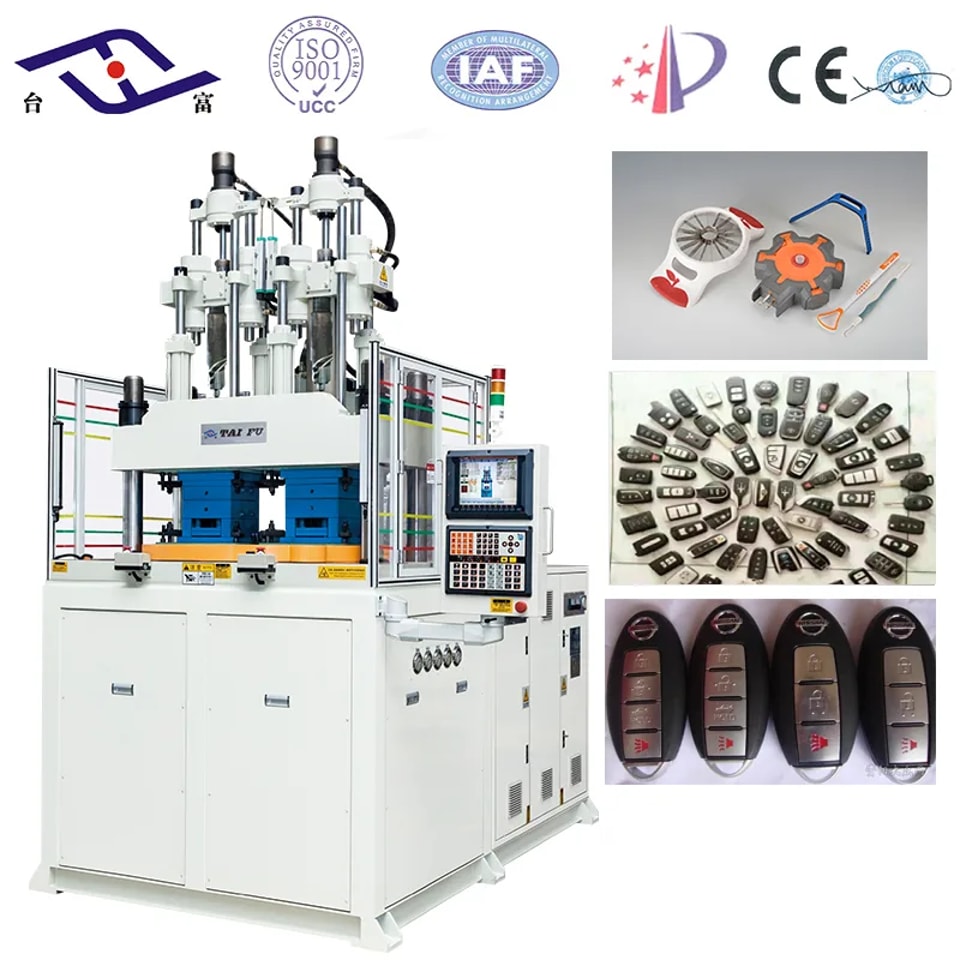
A two-color injection molding machine has two injection units (two barrels), usually each with its own dryer, and a mold with two moving halves and two fixed halves of essentially the same structure. It injects two different materials or colors into the same mold to produce one finished part. Both materials are molded on the same machine in two shots, but the part comes out of a single mold. The result is a part with two colors or two materials, improving both appearance and feel. Two-color molds are more complex than single-color molds and have their own design rules. Main types By structure, two-color molding systems can be divided into core-rotating, core-retracting and sliding-plate rotating types. Core rotation is currently the most widely used, in two forms: Split type: two separate molds on one machine rotate alternately to produce the two-color part. Integrated type: both shots are molded within a single mold set. Design tip To prevent the second-shot cavity from damaging the first-shot part, provide clearance in suitable areas and control the shut-off (sealing) force so the part does not deform under impact. Two-color molding is widely used for electronics, toys and medical products, and multi-color machines are developing quickly as well.
1. Screw material and temperature Temperature plays a small role; most screw failures come from screws with poor material toughness or screws that have simply worn out and need replacing. Control temperatures carefully. At start-up, always run screw decompression (suck-back) before injecting. Without decompression, the screw tip is still wrapped in material; purging or injecting directly can snap the screw tip or crack the check ring. 2. Abrasive materials Glass-filled (GF) materials are hard on screws and machines. They flow poorly and need high injection speed. If not handled well, they can crack the screw tip and check ring, or even break the screw into several pieces. 3. Back pressure Excessive back pressure increases the load on the screw during recovery and can also cause it to break. Prevention When running GF materials, if the machine is stopped for more than 3 minutes, purge the barrel before restarting. PP, which is relatively tacky, works well for cleaning the screw and preventing degraded material from coating the screw and tip. Purge at reduced screw speed so the material melts fully as it rotates. Whatever the material, when the machine is shut down, purge all remaining material from the barrel so it is ready for the next run.
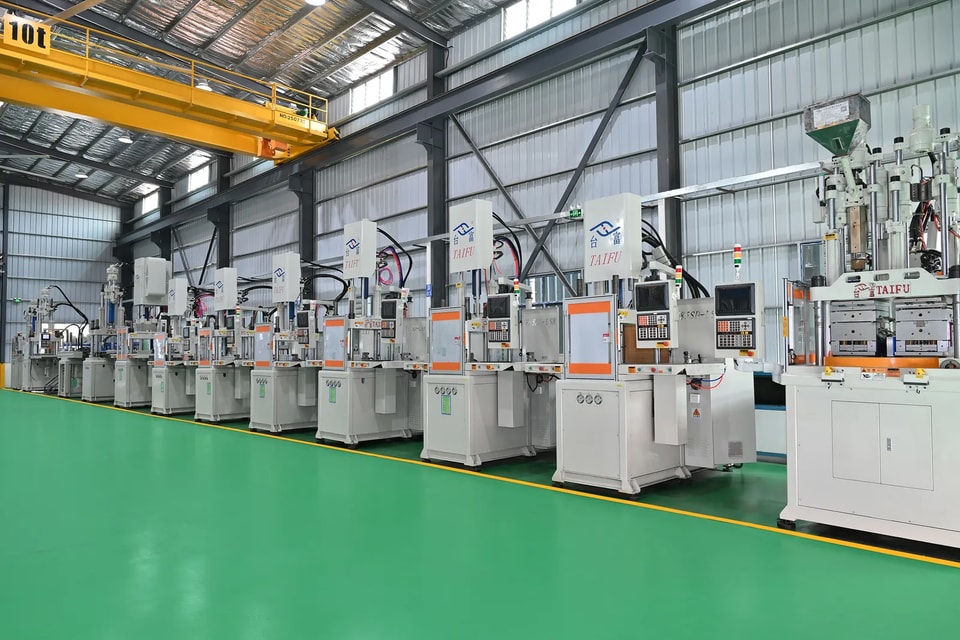
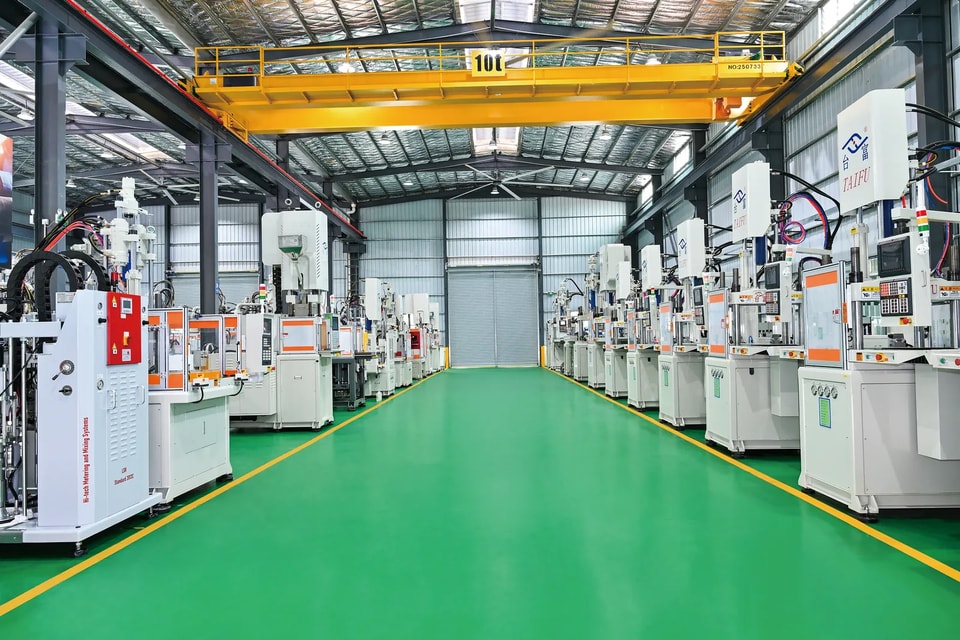
Injection molding machines are among the largest energy users in a molding plant, and most of that energy goes to the motor and the heating system. Here is where to start. Equipment Size the machine to the part — an oversized machine on a small part wastes a lot of energy. Choose a machine with a servo system, which can save 20–70%. Use newer heating technologies such as induction or infrared heating, which can cut heating energy by 20–70%. Insulate heating and cooling systems to reduce losses. Keep drive components well lubricated to avoid energy lost to friction and unstable running. Use low-compressibility hydraulic oil to reduce hydraulic losses. Use machines that support parallel movements, multi-cavity or multi-component molding — such as two-color rotary machines — for significant savings. Replace conventional fixed-pump hydraulic drives with energy-saving drive systems. Maintain heating and cooling lines regularly so scale and debris do not reduce their efficiency. Keep machines in good condition — an unstable process produces rejects and wastes energy. Make sure the equipment suits the product, for example by using a dedicated screw where required. Process Use the shortest cycle that still meets part requirements; high-speed machines suit small, thin parts. Unless there is a specific reason not to, follow the machine manufacturer's recommended process settings. Save stable machine and process settings for each part and mold to shorten setup time on the next changeover. Optimize the process to use lower clamping force and shorter cooling and holding times.
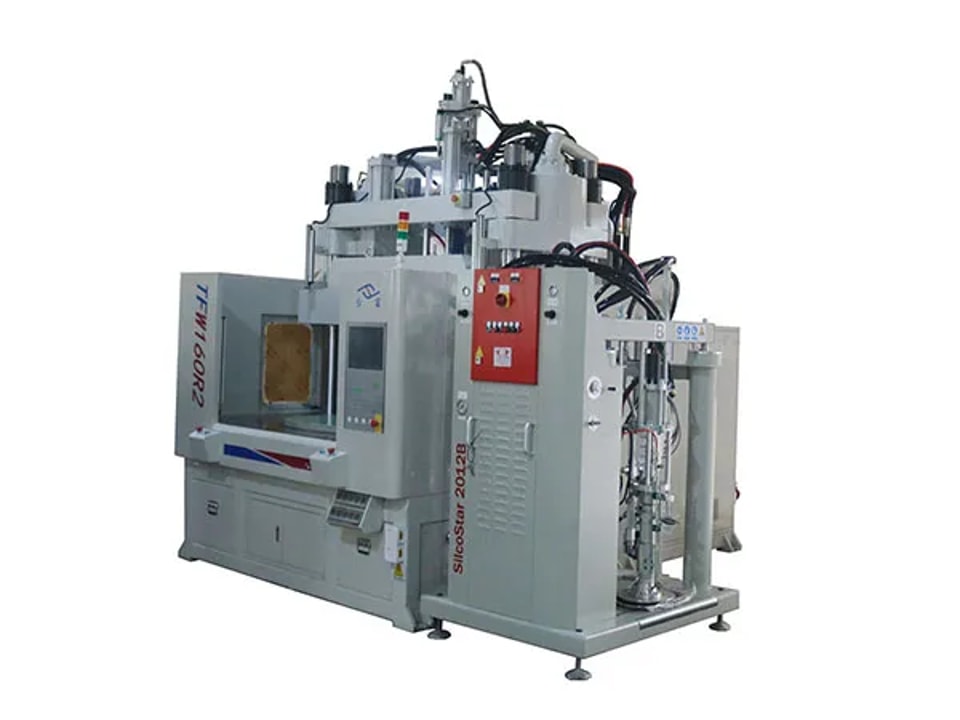
When a liquid silicone injection machine will not inject, check the following causes in order: Nozzle blocked by contamination. Check whether the nozzle is clear; clean or replace it. Distribution nozzle blocked. Remove the flange and check the distribution nozzle for cracks; replace it if damaged. Injection directional valve stuck. Check for 24 V at the valve and a coil resistance of 15–20 Ω. If both are normal, the valve itself is blocked — clean or replace it. Broken injection piston rod. Loosen the piston rod lock nut and inspect the rod; replace it if broken. Barrel temperature too low. Check whether the actual temperature reaches what the material requires, and readjust. Damaged injection piston seal. Inspect the seal and replace it if worn.
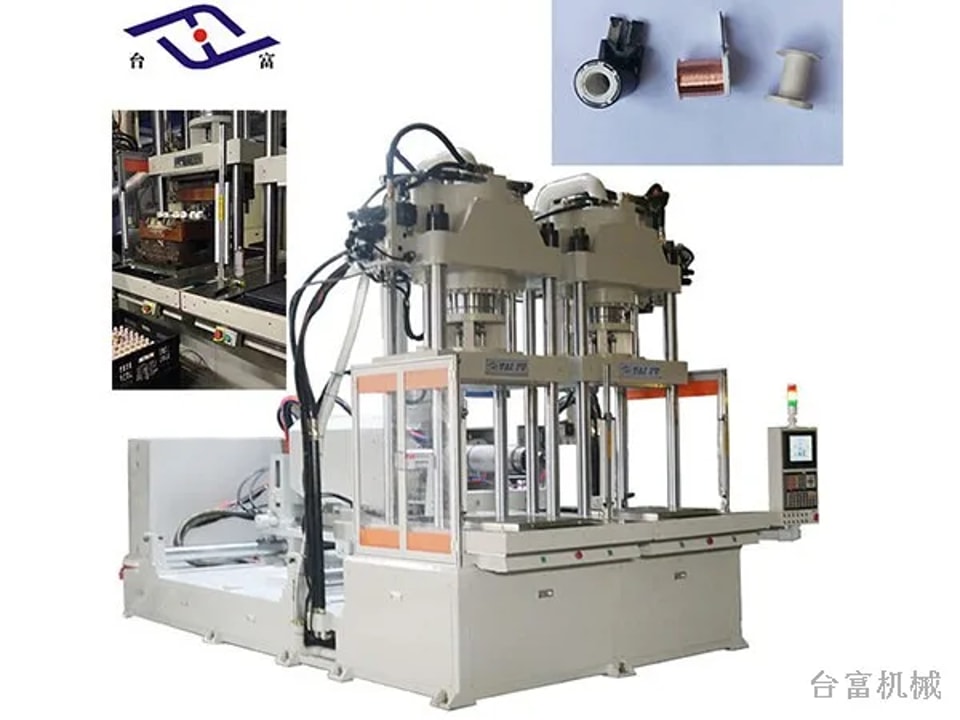
What is BMC? BMC (also called DMC), or bulk molding compound, is an unsaturated polyester dough-like premix made from chopped glass fiber (GF), unsaturated polyester resin (UP), mineral filler (MD) and various additives. It offers excellent electrical and mechanical properties, heat resistance and chemical resistance, and suits a range of molding processes. Compression press vs. automatic-feed injection BMC parts are usually made either on a hydraulic compression press or on an automatic-feed BMC injection machine. On a press, material is weighed and loaded by hand for every shot — dirty, tiring, hot work, and BMC causes skin irritation on contact. An automatic-feed BMC injection machine is particularly suited to BMC parts with inserts or parts requiring high hardness. Its hopper takes 15 kg of material at a time and the machine doses each shot automatically according to the controller settings, so it can run continuously like a standard injection machine — typically needing only two or three refills a day. Advantages Automation replaces manual weighing and loading, greatly increasing productivity. Lower material and labor costs, with better quality and yield. The injection system can be matched to the strength required: automatic-feed plunger type, automatic-feed screw type, or screw-plunger compound type — reducing glass-fiber breakage to maintain part strength. A cleaner, less physically demanding job helps manufacturers attract and keep workers.
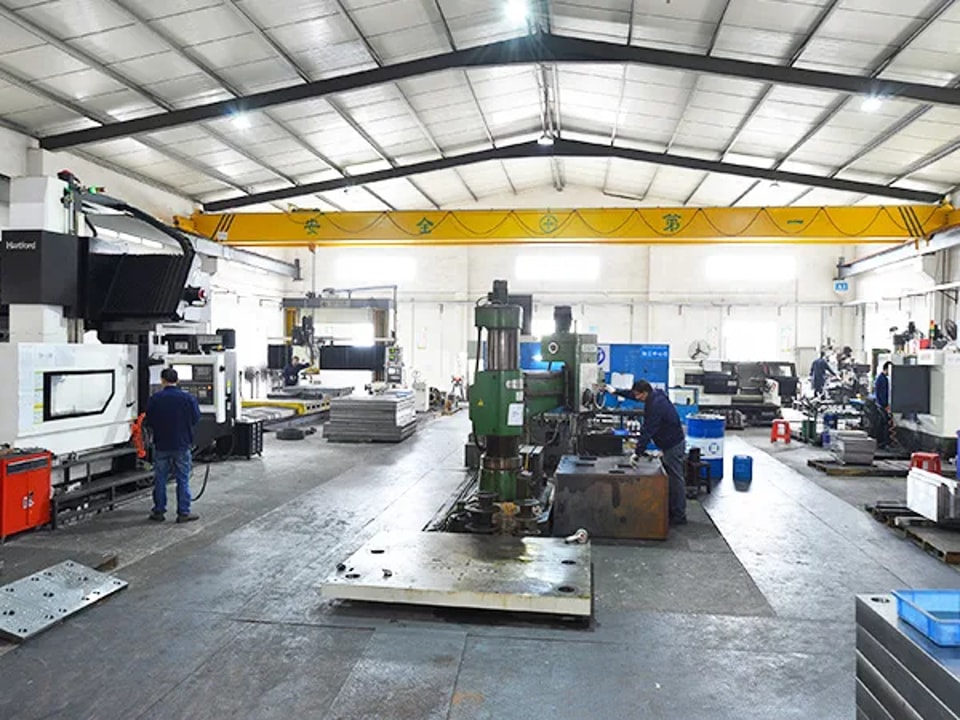
A customer team from Jiangsu travelled to Taifu to audit the factory in person. The customer had first sent drawings and physical samples to our sales manager and engineering team for evaluation. The part is an automotive sunroof overmolding component with high precision requirements and specific demands on the production environment and equipment. After the online discussions, the customer brought the team to see our factory and production process first-hand. The visitors toured the CNC parts machining workshop and the assembly lines. More and more customers follow this route: online communication, an online or on-site factory audit, and then the contract.
Request a machine proposal
Enquiry about

© 2026 Dongguan Taifu Machinery Co., Ltd.