
Mold Maintenance Tips for Vertical Injection Molding
Know the mold's condition
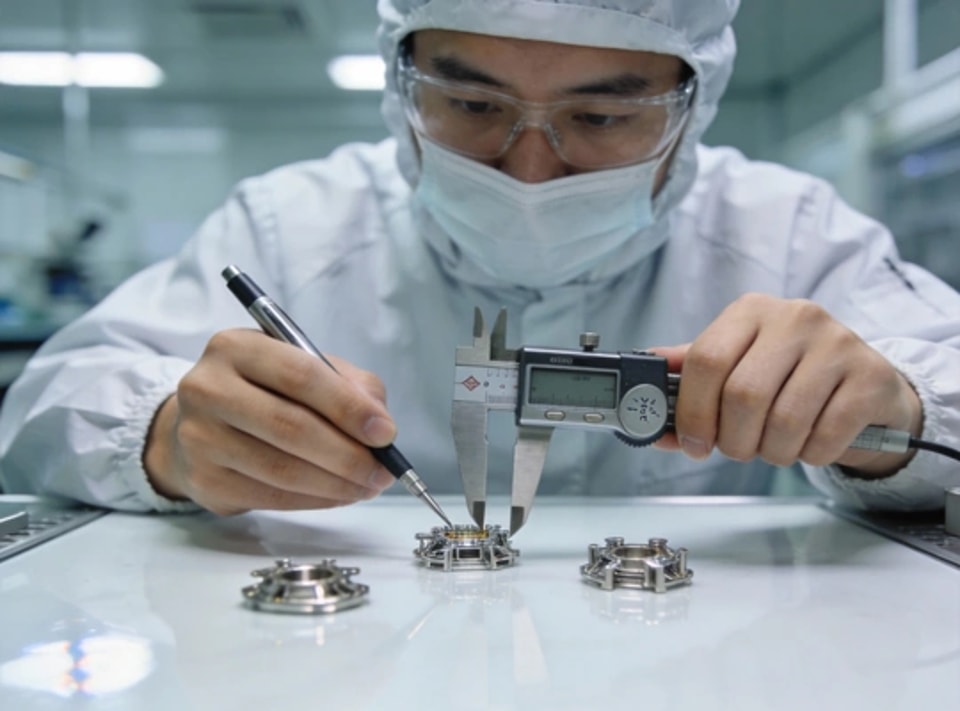
Test mold performance under normal operation and measure the final molded parts. This tells you the current state of the mold and helps locate damage to cavities, cores, the cooling system and parting surfaces.
Ejector and guide components
These ensure the mold opens and closes and parts are ejected. If any of them seizes, production stops. Lubricate ejector pins and guide pillars regularly and inspect them for deformation and surface damage, replacing them promptly when needed.
After each production run
- Apply mold rust-preventive oil to working surfaces, moving parts and guides. Pay particular attention to the spring strength of bearing parts in gear, unscrewing and spring-loaded molds.
- Clean the cooling channels. Scale, rust, sludge and algae narrow the channels over time, reducing heat exchange and raising production costs.
Hot runner molds
At the end of each production cycle, measure band heaters, cartridge heaters, heating probes and thermocouples. Replace any damaged parts, compare readings with the mold's history and keep records so problems are caught early.
Surface care
Mold surfaces directly affect part appearance, and rust prevention is the priority, so choose a suitable rust-preventive oil. Remove residues after production using copper rods, copper wire and mold cleaner, then dry the mold. Never use steel wire or steel rods, which scratch the surface. If corrosive materials have caused rust, grind and polish, apply rust-preventive oil and store the mold in a dry, cool, dust-free place.
Contact & RFQ
Have a part in mind?
Send us the drawing, insert and material. Our engineers reply with a machine proposal.
Request a machine proposal
Enquiry about

© 2026 Dongguan Taifu Machinery Co., Ltd.