
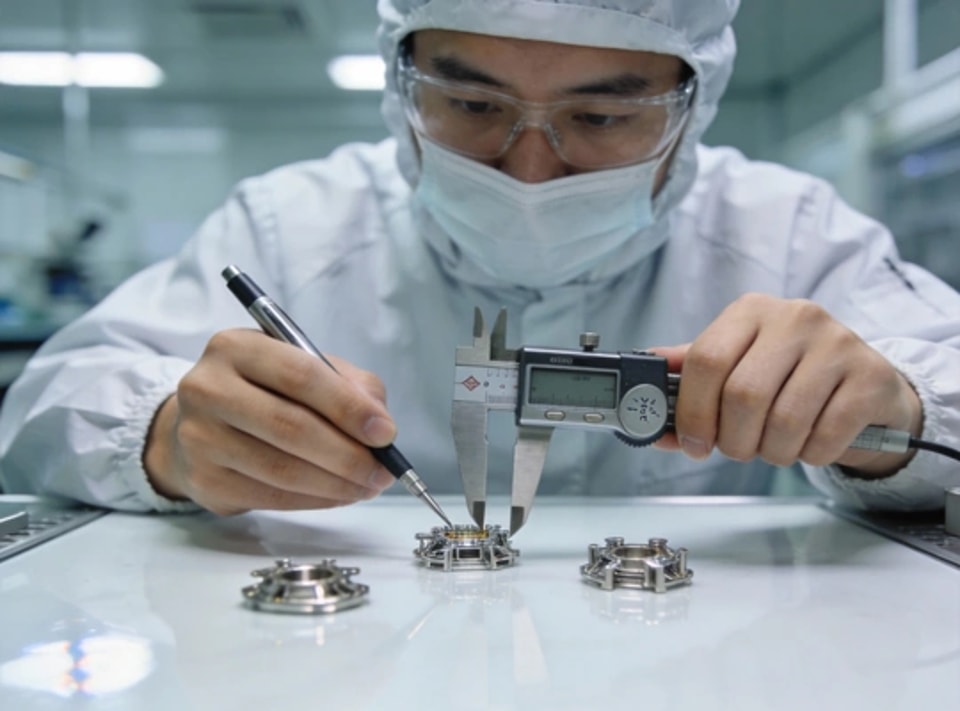
Bakelite (Phenolic) Machines vs. Standard Plastic Injection Machines
Bakelite is phenol-formaldehyde resin (PF), one of the earliest industrial plastics. It is made from phenols and aldehydes — usually phenol and formaldehyde — by polycondensation with acid or alkaline catalysts.
Thermoplastic and thermoset PF
Depending on the catalyst, two types of PF are produced: thermoplastic PF, which needs a curing agent plus heat to form a cross-linked structure, and thermoset PF, which cross-links with heat alone. Either way, PF is only usable once cured into a cross-linked network. Curing is an irreversible physical and chemical process — quite different from the melting and solidifying of thermoplastics.
Molding PF by injection
Injection-grade PF needs good flow, the ability to mold at relatively low pressure, high hot rigidity, fast curing, good surface gloss, easy release and no mold contamination. Limitations include restrictions from filler type, difficulty with parts carrying many inserts, and the fact that cured sprues and runners cannot be recycled.
The practical difference
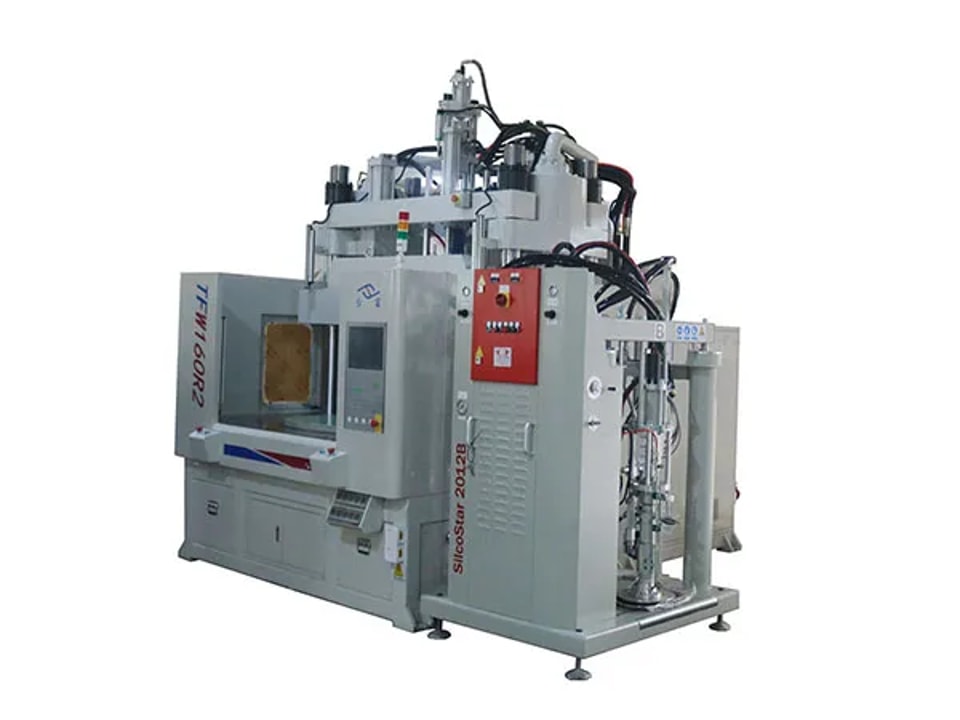
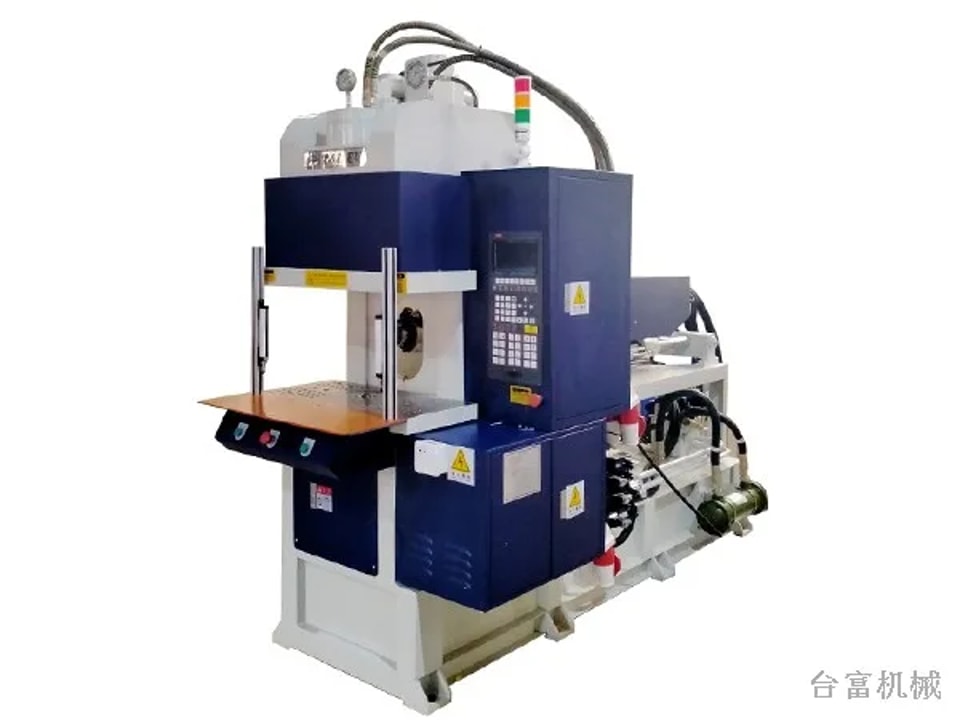
Thermoplastic PF can be molded on a standard injection machine with strict process control. Thermoset PF requires a dedicated PF machine — with a barrel and screw different from a standard machine — and molds of a specific design.
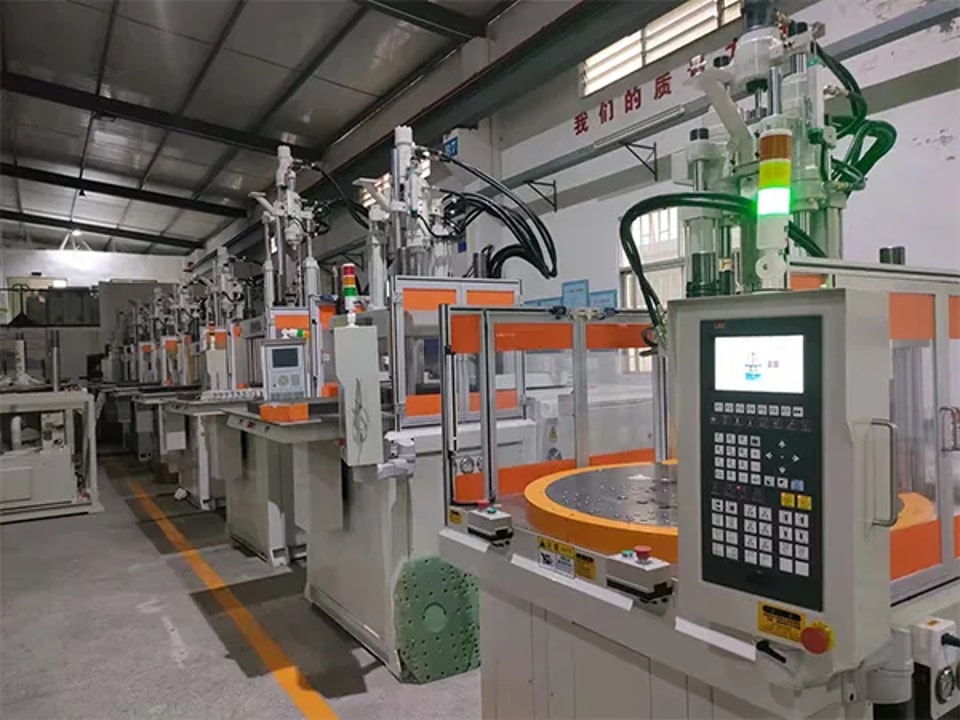
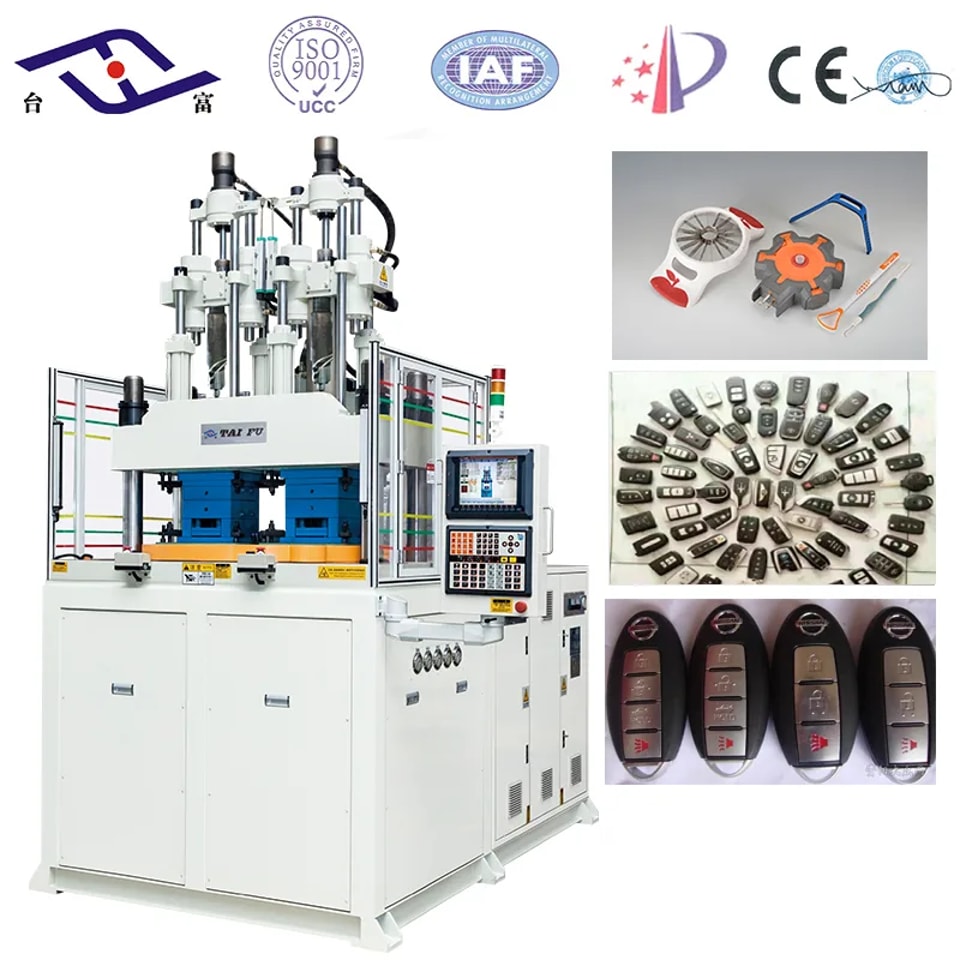
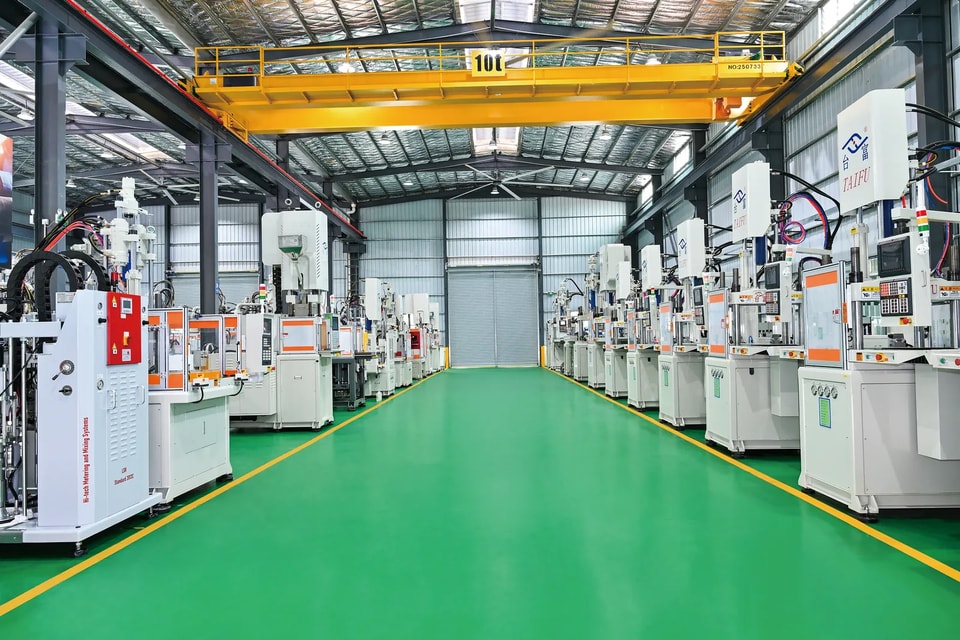
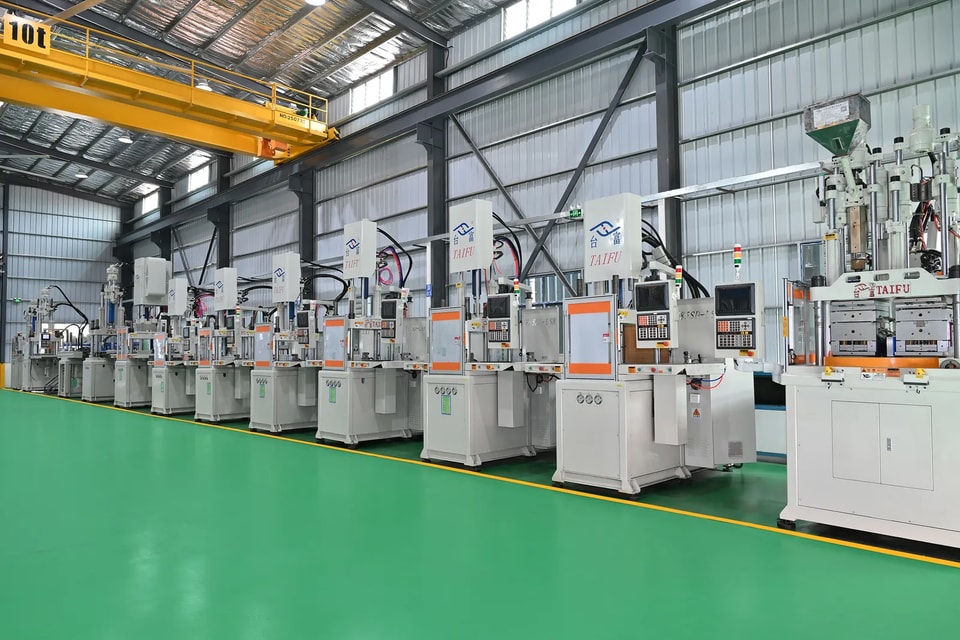
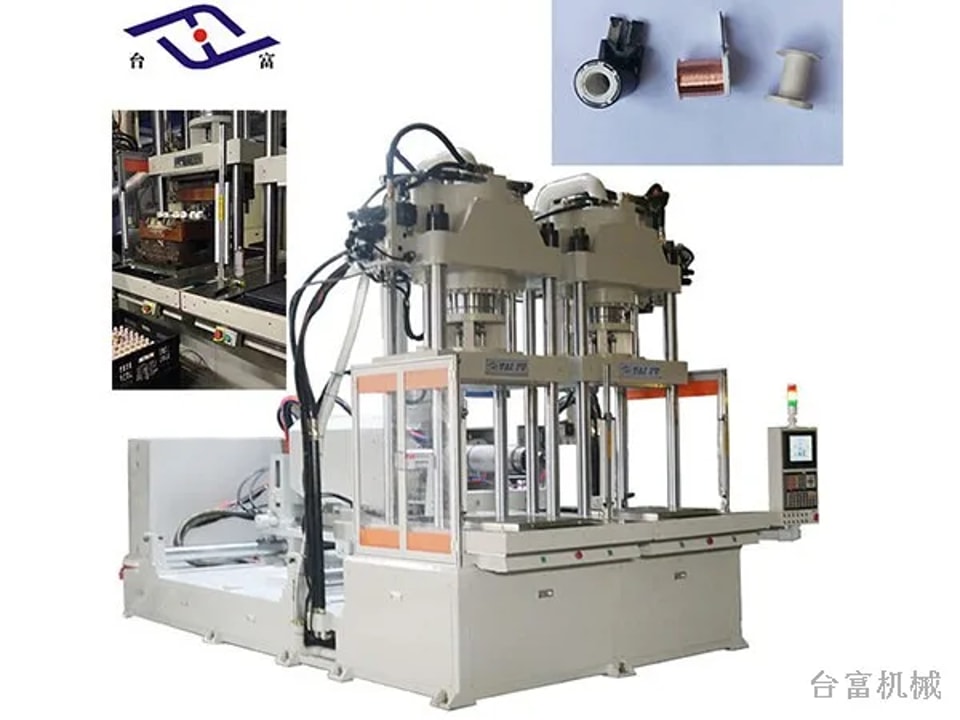
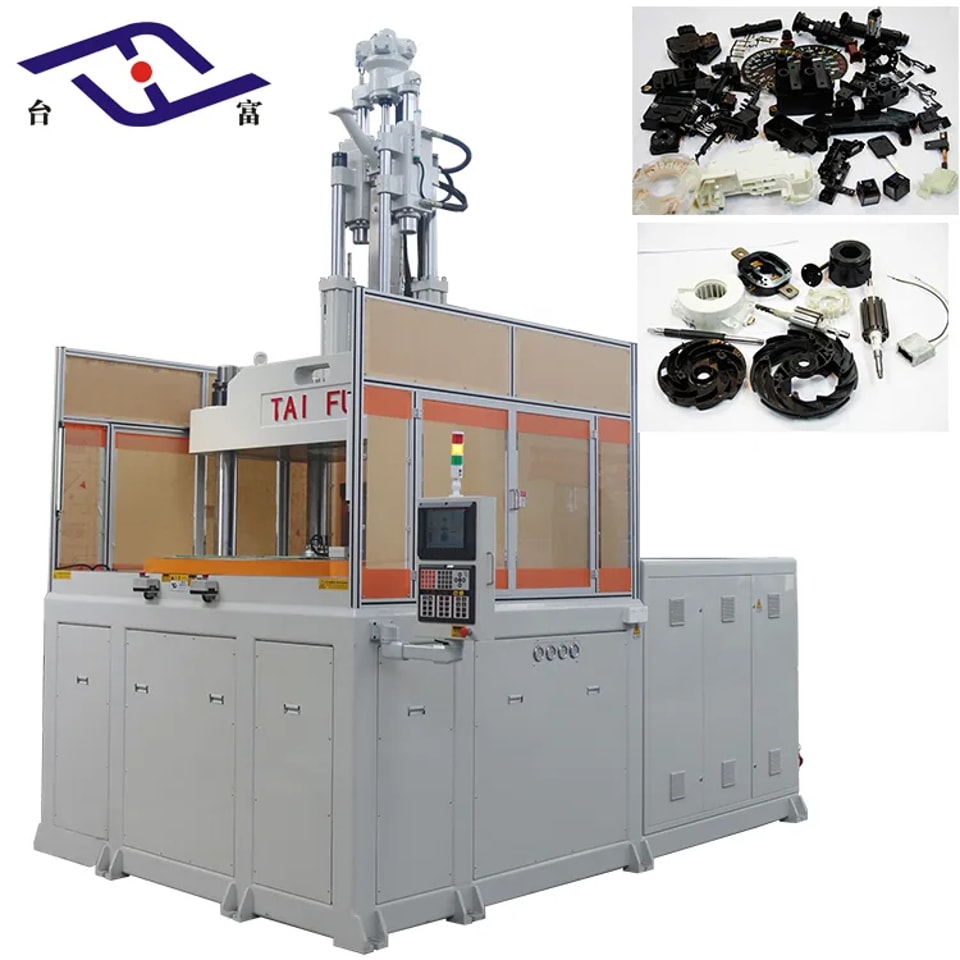
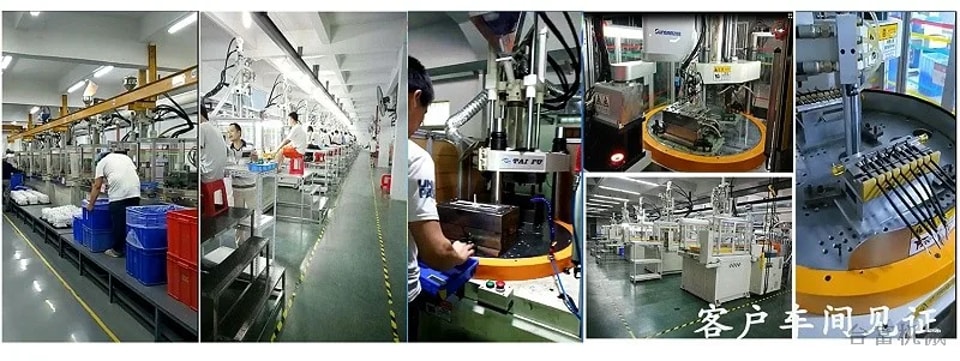
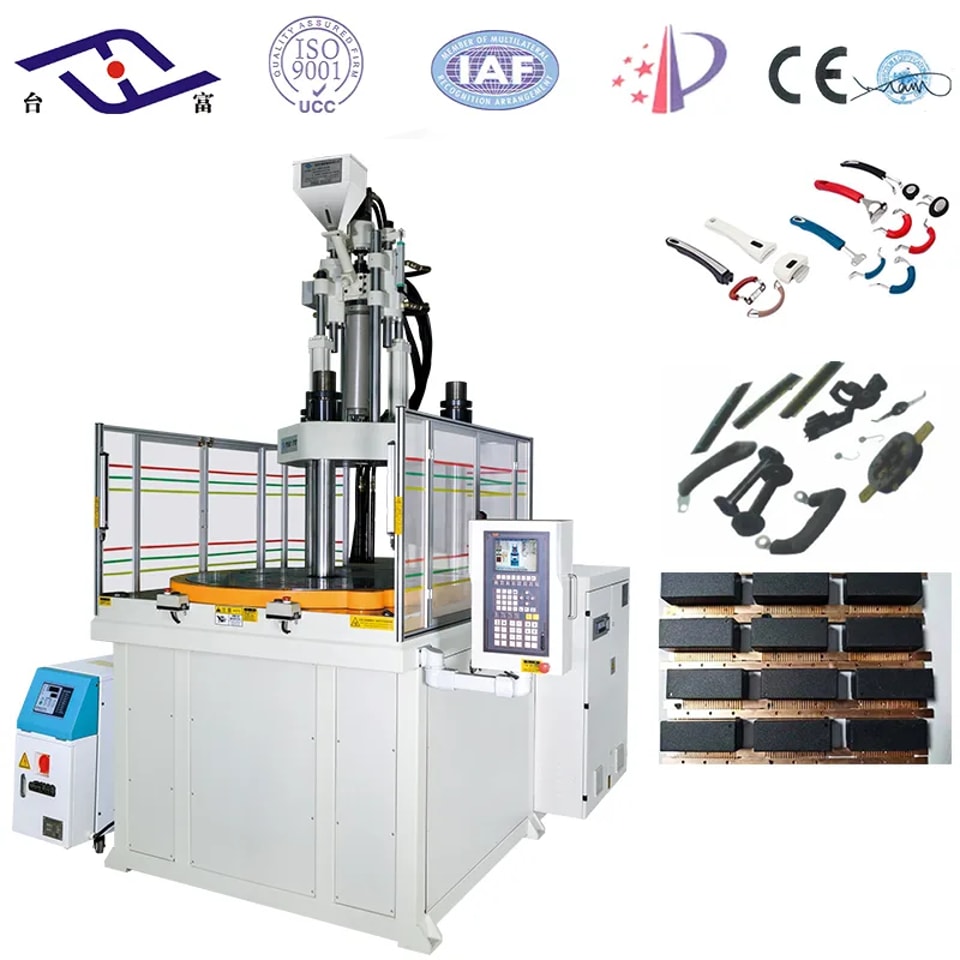
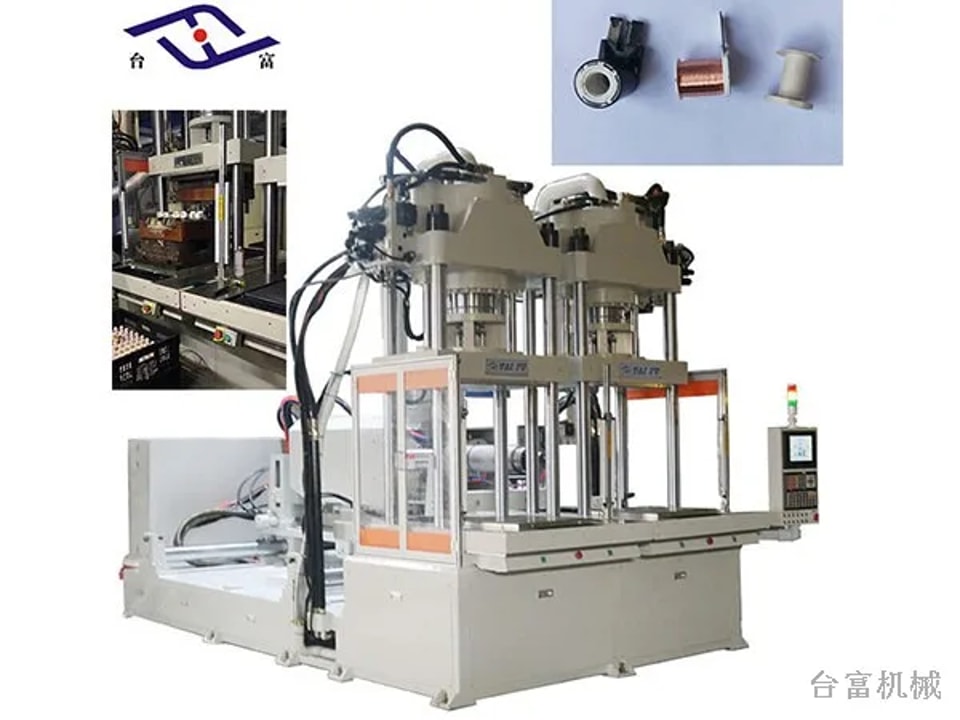
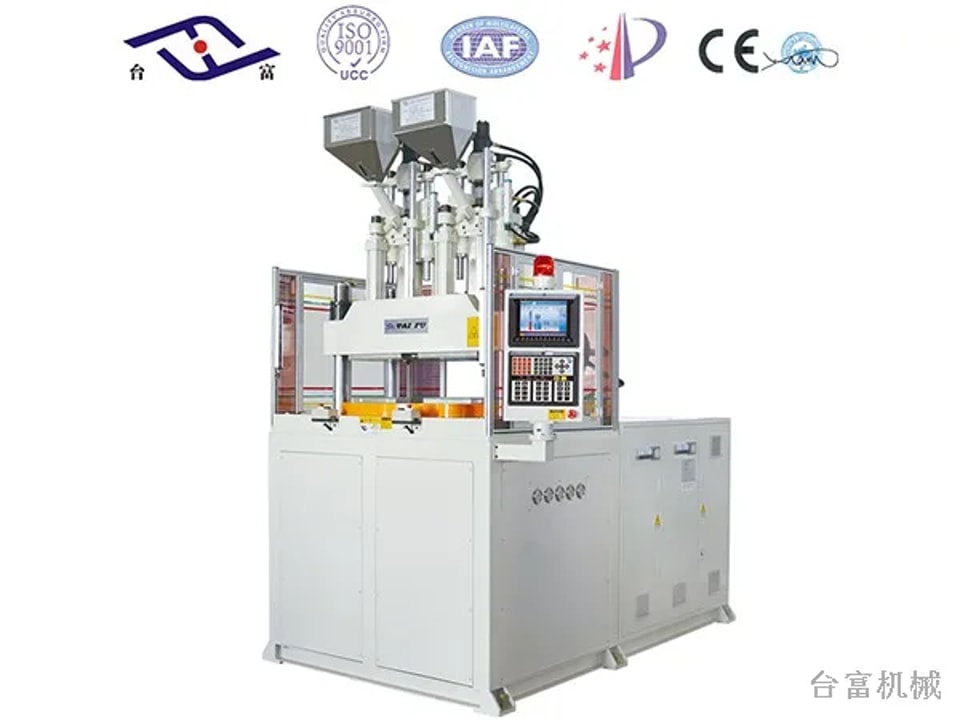
Taifu builds vertical bakelite machines, BMC machines and standard plastic injection machines. Bakelite and BMC parts are widely used in cookware, electromechanical products and household appliance components.
Contact & RFQ
Have a part in mind?
Send us the drawing, insert and material. Our engineers reply with a machine proposal.
Request a machine proposal
Enquiry about

© 2026 Dongguan Taifu Machinery Co., Ltd.