
Molding Light Guide Plates on Vertical Machines
Almost every LCD uses a plastic light guide plate, usually made from highly transparent PMMA or PC. Machines from 55 to 300 tons are used: hydraulic machines for low- to mid-range products, vertical or hybrid electro-hydraulic machines for mid- to high-end products, and all-electric or injection-compression machines for the highest grade.
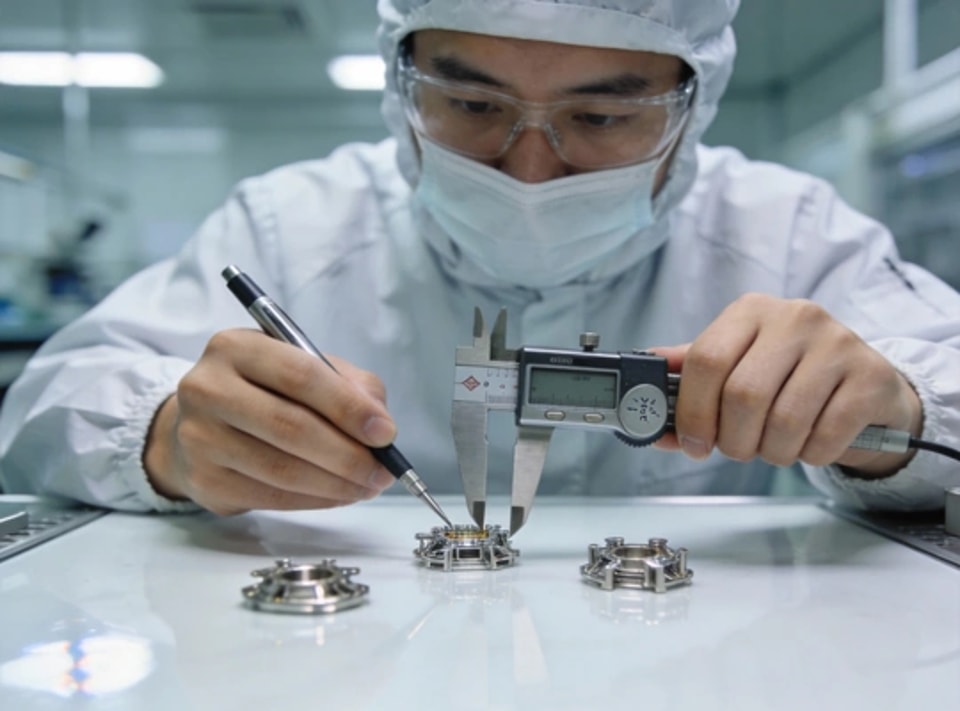
Light guide plates are high-precision optical parts. The printed dot pattern must be complete, the part must not shrink or warp, and the surface must be free of black or yellow specks, gels and contamination, with good overall finish and light transmission.
Process requirements (mobile phone light guide plate example)
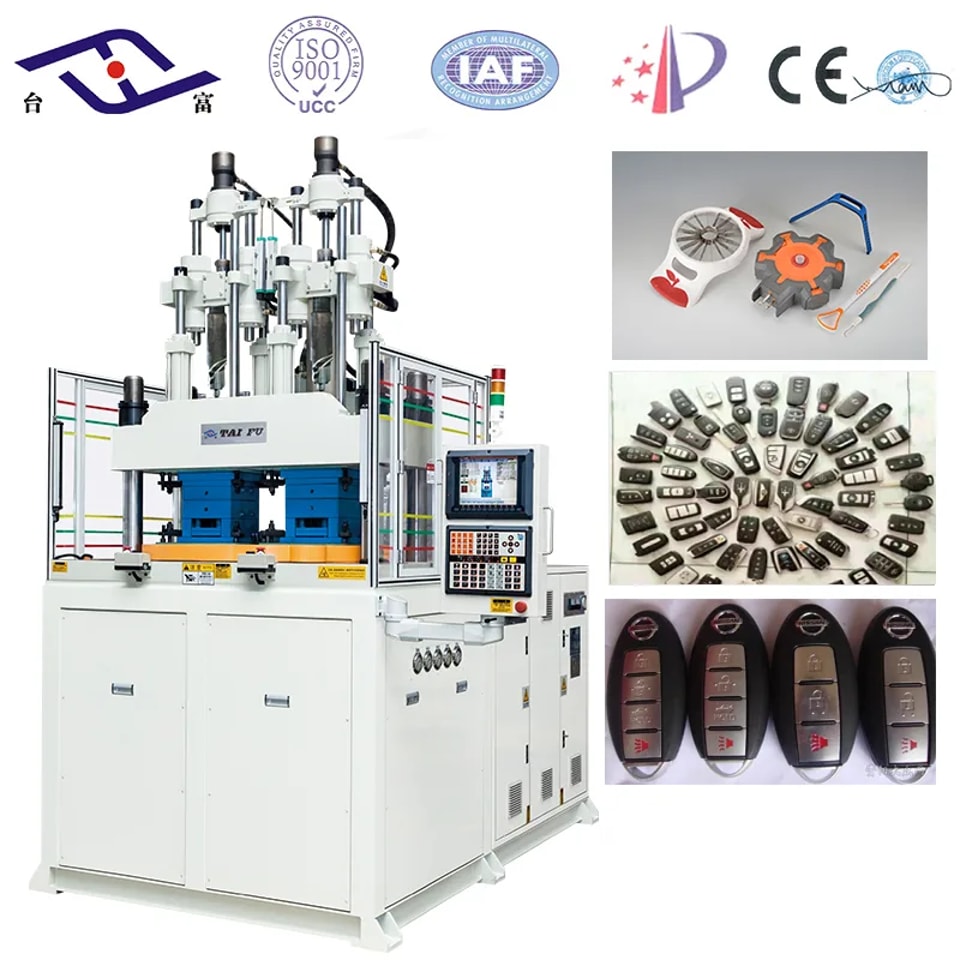
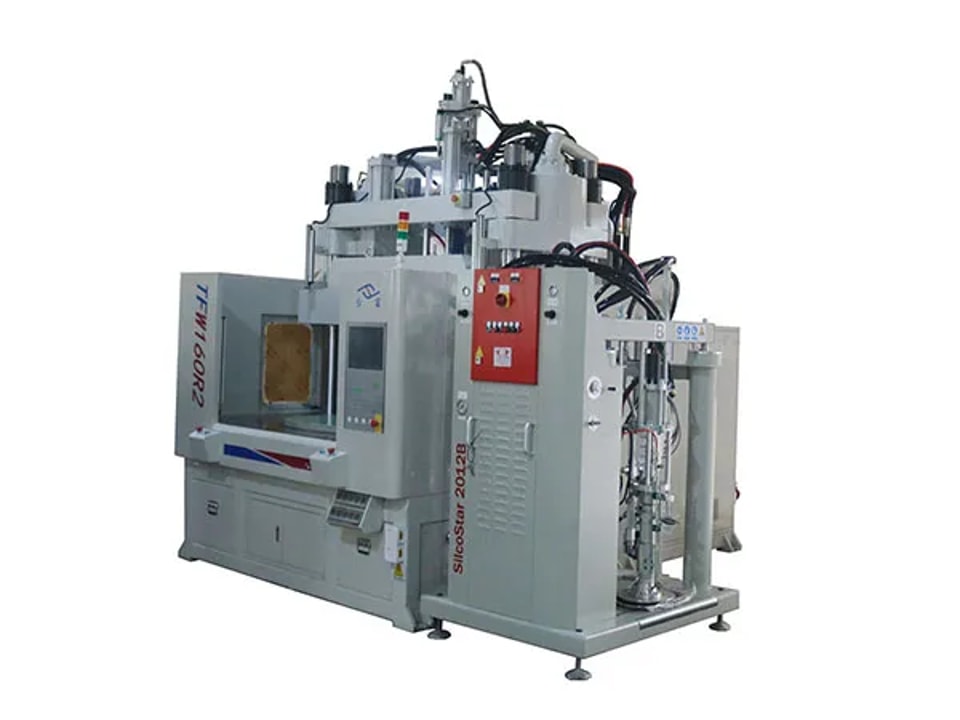
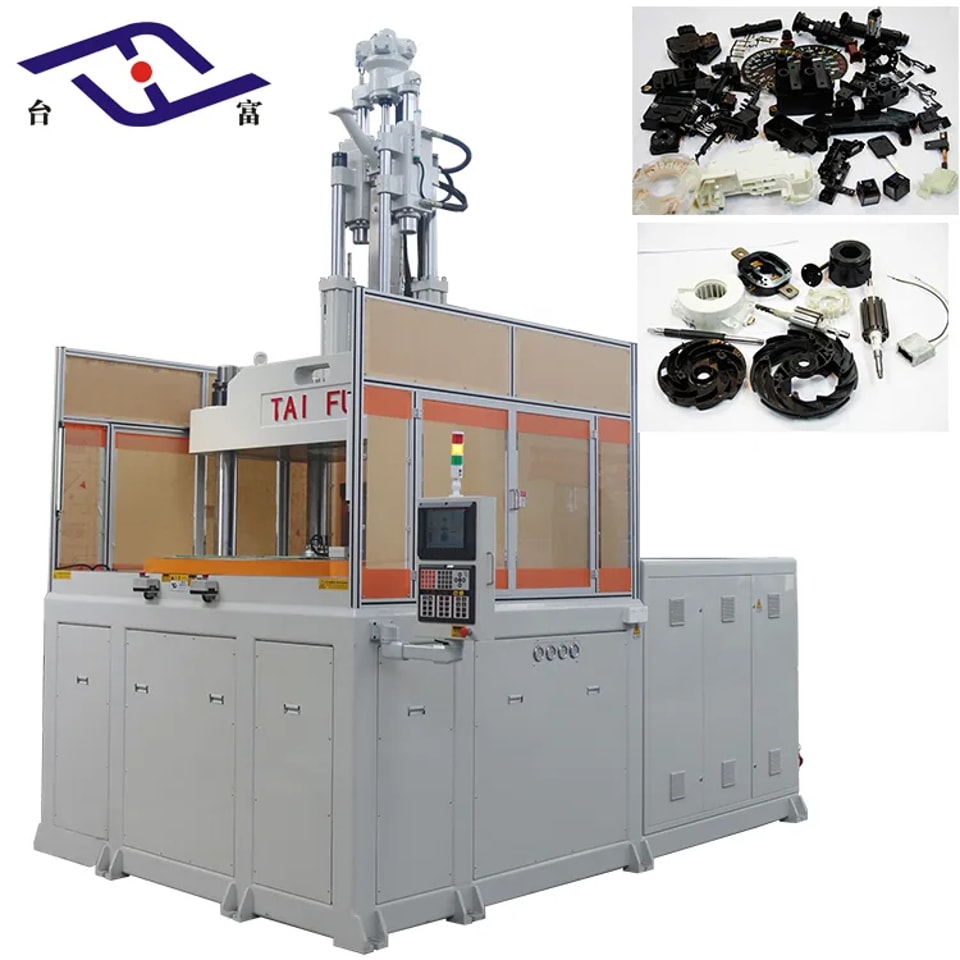
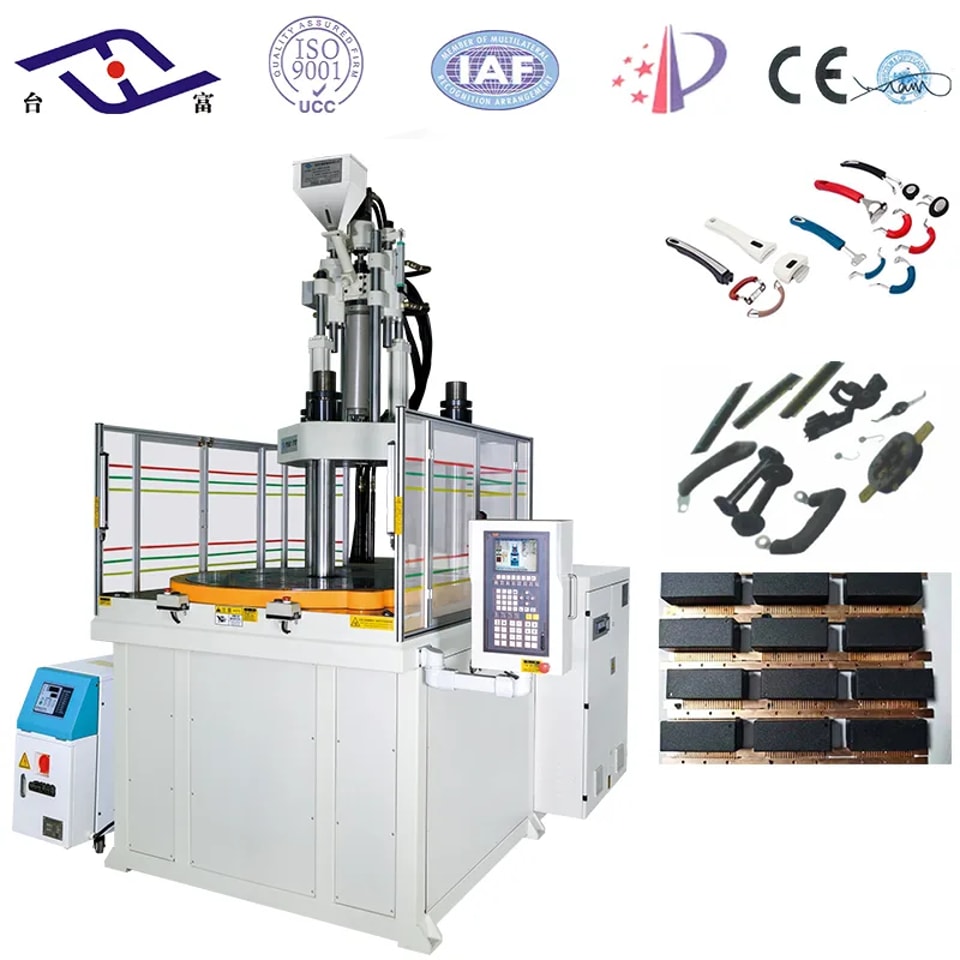
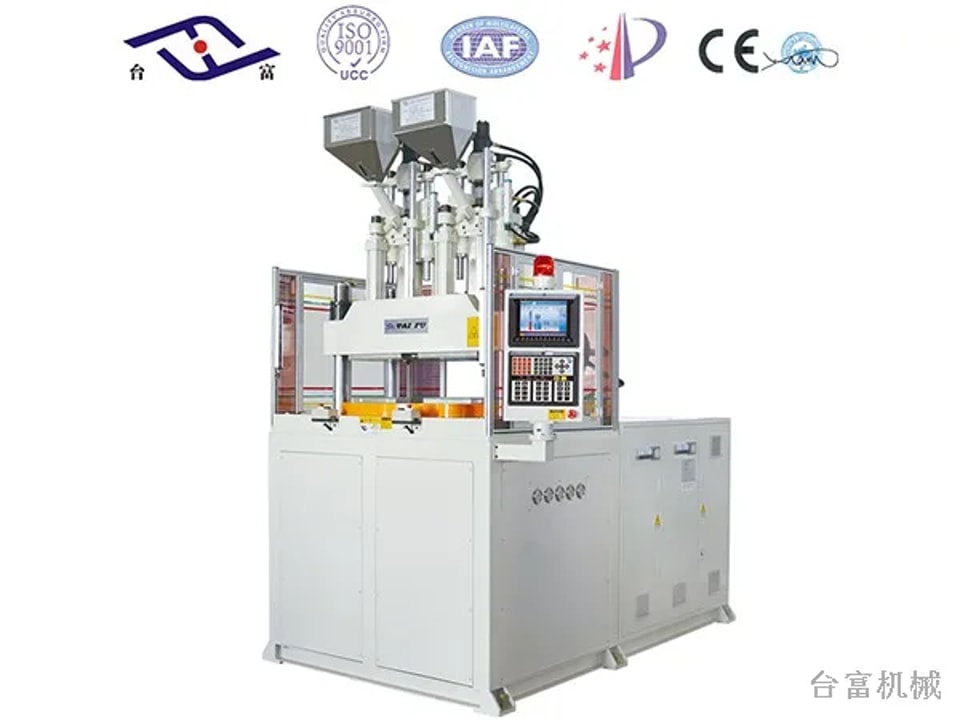
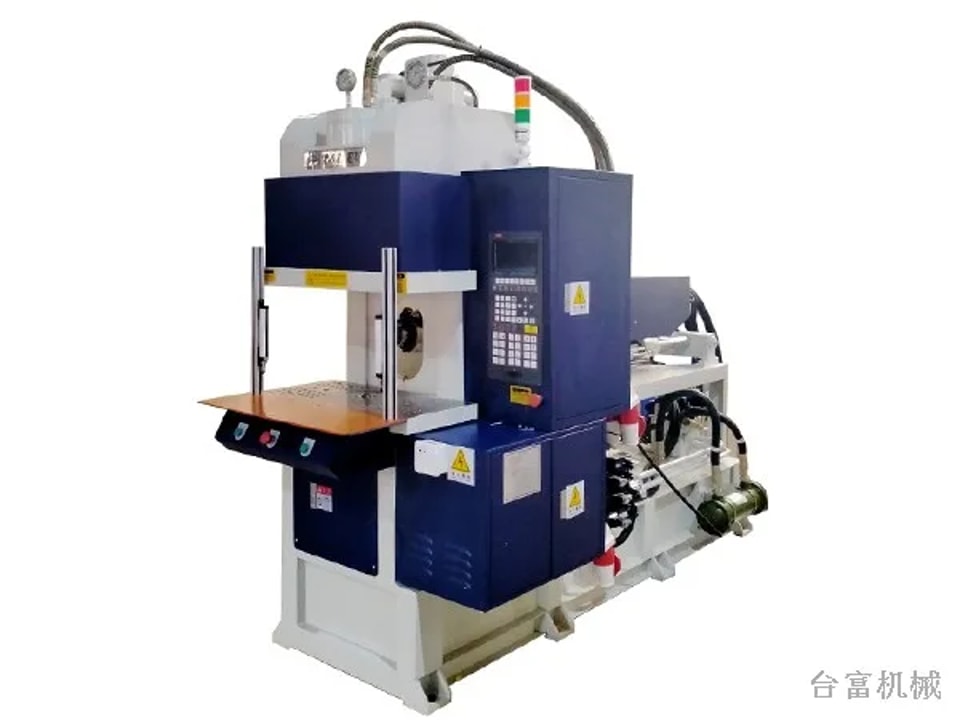
- A 120-ton rotary vertical machine can be used. Clamping force must be sufficient and platen parallelism high to prevent flash and keep thickness uniform.
- Injection must be stable and metering accurate.
- Shot capacity should not be oversized — too large a shot can yellow the melt. Plasticizing components need a high surface finish to prevent yellowing and black or yellow specks.
- High injection pressure and speed are required, as PMMA and PC melts flow poorly, especially in thin-wall plates.
- Because of the high melt viscosity, the screw needs high torque and a design that resists torsional breakage.
- The mold must fill and release smoothly, be machined to high accuracy and have precise vents.
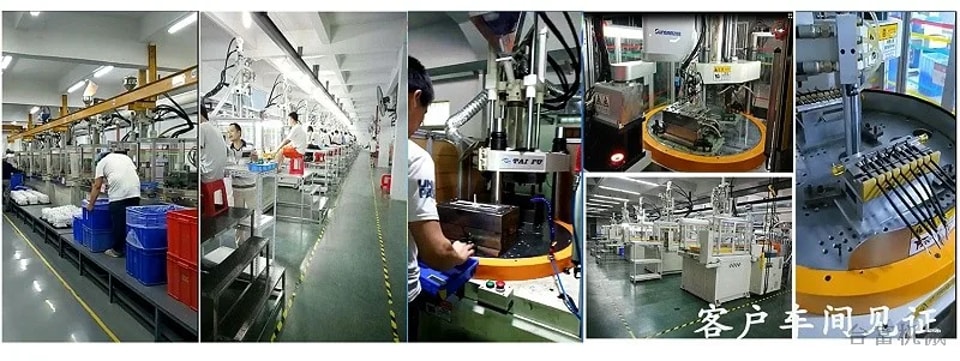
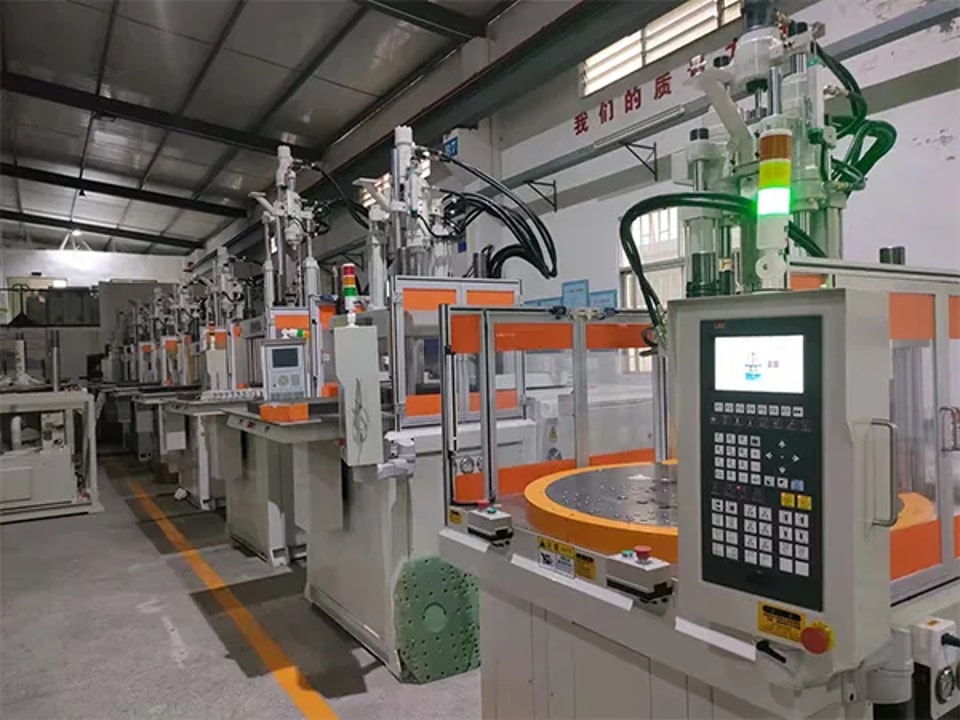
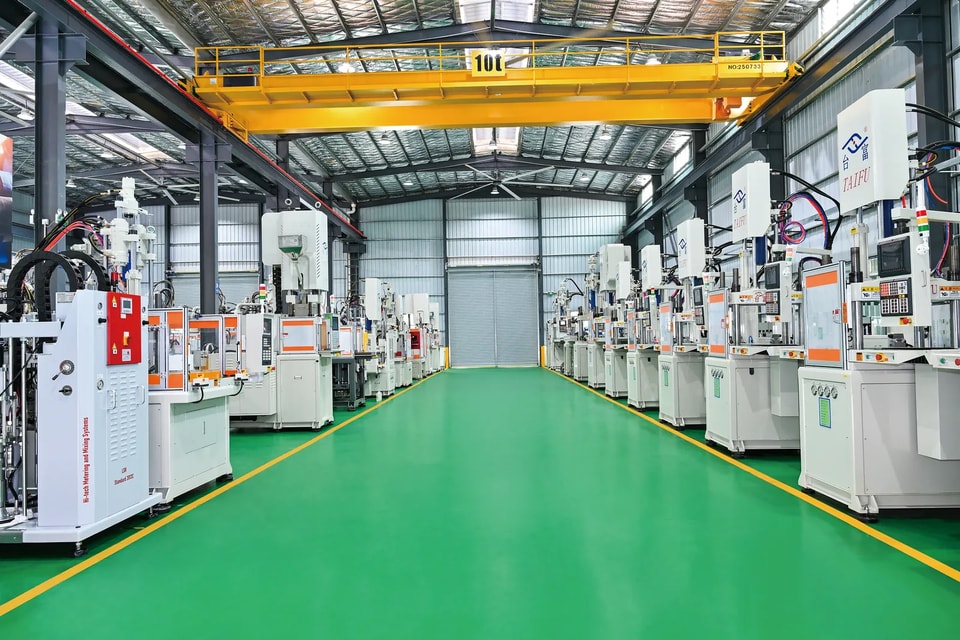
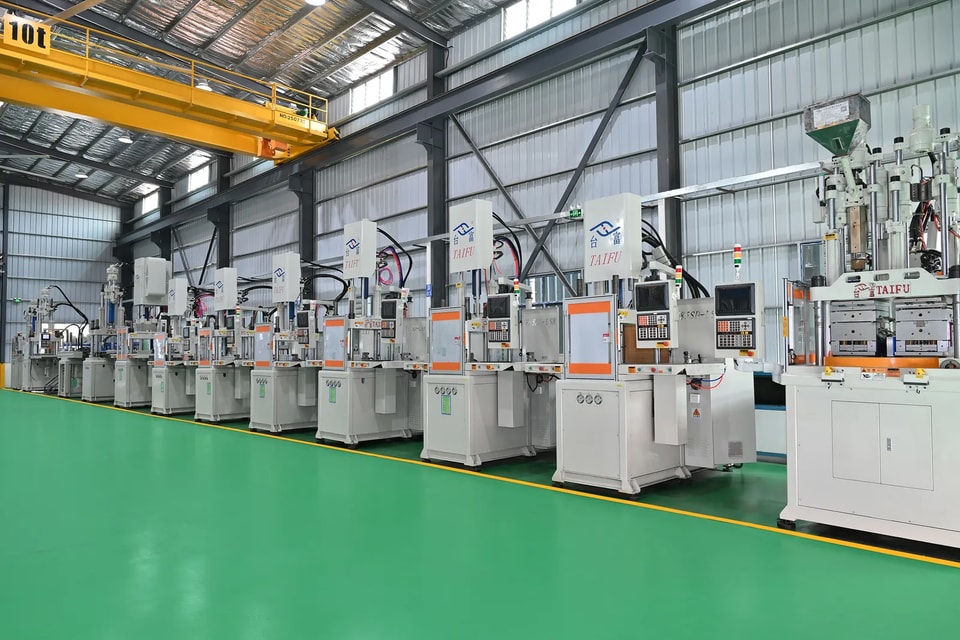
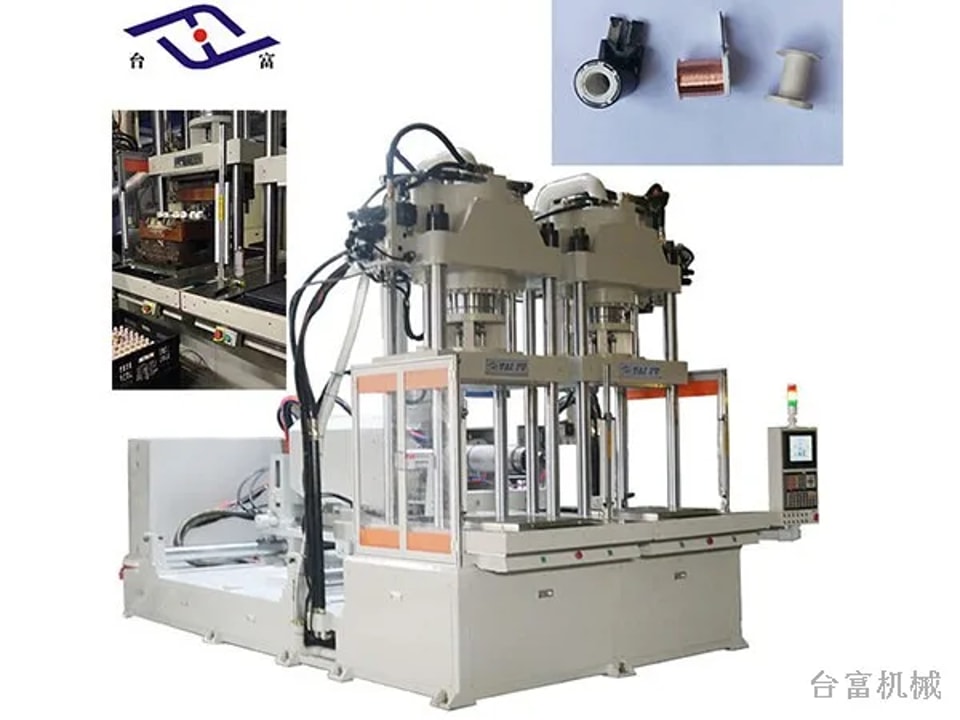
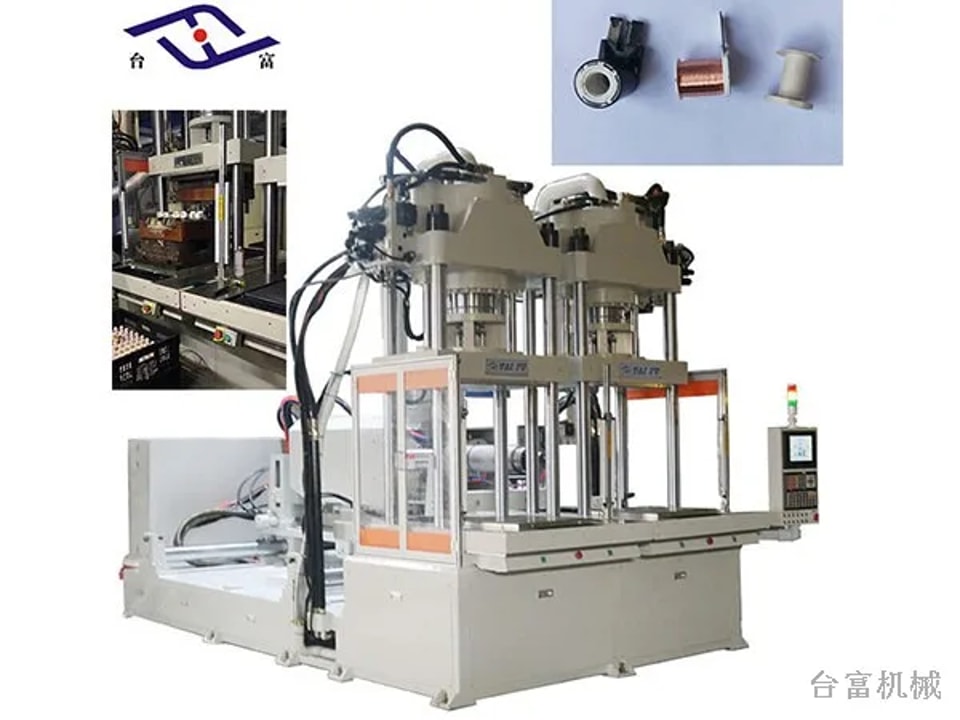
Taifu has supplied 120-ton rotary vertical machines to Fujian a phone-component manufacturer, delivering several hundred rotary machines.
Contact & RFQ
Have a part in mind?
Send us the drawing, insert and material. Our engineers reply with a machine proposal.
Request a machine proposal
Enquiry about

© 2026 Dongguan Taifu Machinery Co., Ltd.